Let's be real about what grief does to your body
Grief is a full-body experience, and one of the places it hits hardest is your ability to feel pleasure. Not because you're broken or numb as a person. Because grief literally changes how your nervous system processes sensation. The same neural pathways that light up during arousal get dampened. Touch feels distant. Desire disappears. Your body goes into a holding pattern that can last months or years.
For a lot of people, reconnecting with sexual pleasure after loss feels impossible. It also feels complicated. Can you even want pleasure again after losing someone? Should you? And if you do, what does that say about your grief or your loyalty?
Here's what I tell my clients: pleasure doesn't erase grief. It exists alongside it. And sometimes, reconnecting with sensation in your body is actually part of healing.
Why grief numbs sensation in the first place
When you're in acute or prolonged grief, your body shifts into a survival mode that conserves energy. Your parasympathetic nervous system dials back. Blood flow redirects away from sensitive tissues. Dopamine and serotonin drop. Cortisol stays elevated. The result is a kind of full-body anesthesia where physical sensation feels muffled, distant, or absent.
If you had a partner before the loss, the absence of their touch makes this worse. Your body has learned to respond to a specific person's presence and rhythm. Without that stimulus, the neural pathways involved in arousal atrophy. Add in the fact that many grief-stricken people avoid sexual touch altogether because it feels wrong or disloyal, and those pathways get quieter still.
This is not depression, though grief and depression overlap. This is a normal neurological response to losing someone you loved.
The barrier between wanting to feel and actually feeling
Here's where most people get stuck: intellectually, they're ready. They think they should want to feel pleasure again. Their brain knows that reconnecting with their body is healthy. But their nervous system hasn't caught up yet. The gap between intellectual permission and actual sensation can feel impossible to bridge.
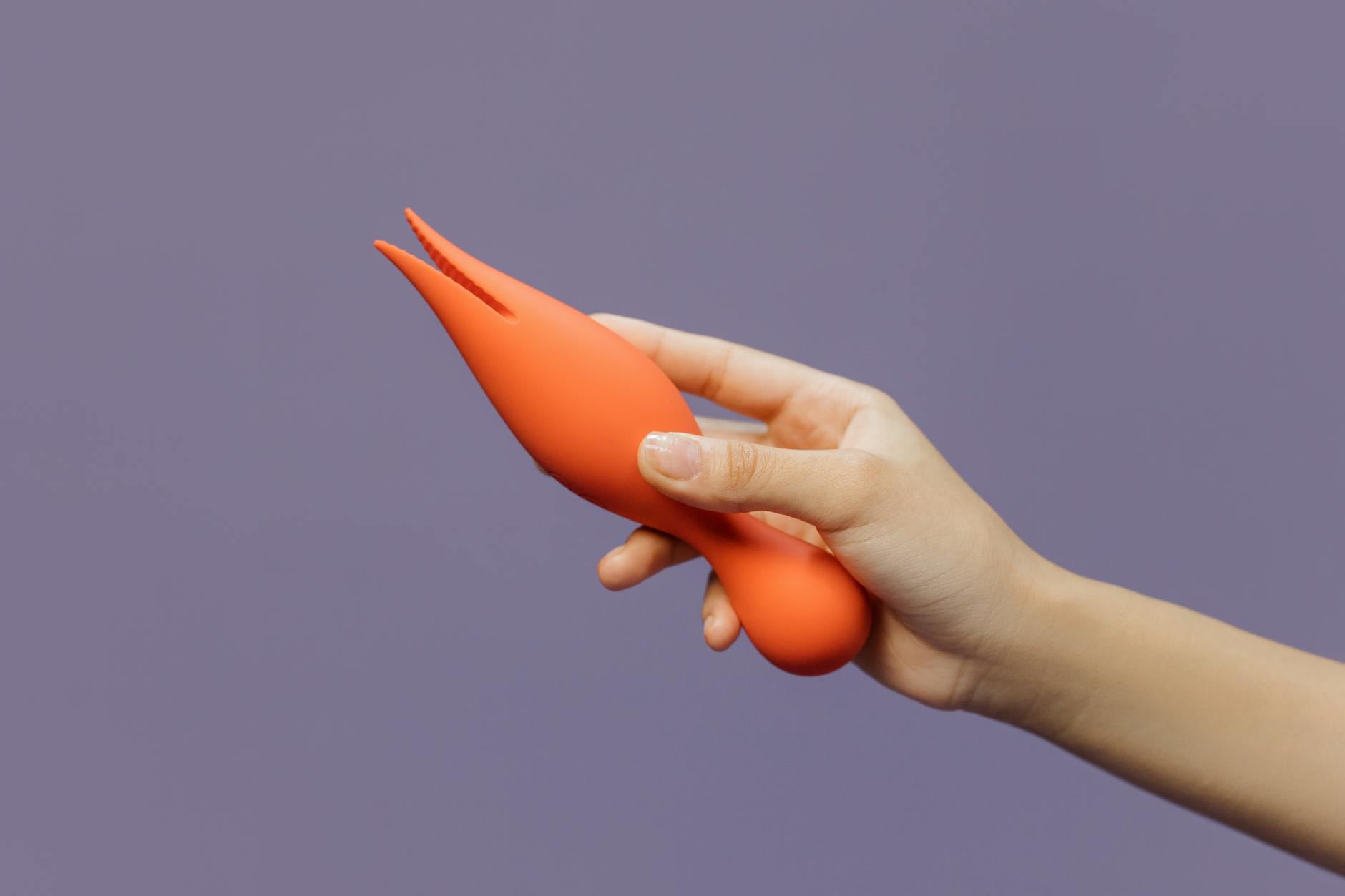
Lemon clitoral vibrators exist in exactly this gap. They work because they bypass the need for gradual arousal buildup. Instead of waiting for desire to show up on its own, lemon vibrators create direct, consistent stimulation to one of the most sensitive areas of the body. For someone whose nervous system is dampened by grief, that consistency and intensity can be what it takes to wake up the pleasure pathways again.
It's not about forcing yourself. It's about giving your body a clear signal: "This is safety. This is sensation. Pay attention."
How clitoral vibrators restart the sensation loop
The clitoris has over 8,000 nerve endings concentrated in a small area. Lemon vibrators, especially suction-style designs like The Lem, stimulate those nerves in patterns that your body recognizes and responds to even when you're not in an aroused state. The vibration creates what neuroscientists call "sensory gating," where your brain learns to prioritize and amplify signals from that area.
This matters for grief recovery because it means you don't have to be "in the mood" to benefit. You can be sitting in your body, feeling mostly numb, and still experience pleasure. You're not working harder to feel something that's not there. You're letting the tool do the work while your nervous system slowly remembers what sensation feels like.
Many people report that their first experience with a clitoral vibrator after a long period of numbness is surprisingly intense, sometimes overwhelming. That's not a problem. It's actually your body coming back online. The nerve endings were there all along. They were just waiting.
The emotional permission piece (which matters more than you think)
Using a vibrator after loss sometimes triggers guilt. If your grief is about a partner, you might feel like you're cheating on them, even if they're gone. If your grief is about something else, pleasure itself might feel frivolous or disrespectful to the person you lost.
I want to name that directly: these feelings are real and valid. And they don't have to stop you.
What helps is separating two conversations. One is about your grief and what you owe the person you lost. That conversation is between you and your grief, maybe with a therapist. The other conversation is about your own physical body and your right to feel good in it while you're still alive. That's a conversation between you and yourself.
You can honor someone's memory and also reconnect with pleasure. These don't contradict each other. In fact, pleasure is a form of staying present in your own life, which is something most people who've experienced loss would want for you.
Getting started when you've been numb for a long time
If you're considering using a lemon clitoral vibrator or any tool after a period of grief-related numbness, here's what actually helps:
Start in a space where you feel physically safe and emotionally private. Not because there's anything shameful about it, but because reconnecting with sensation when you're grieving needs some containment. You want to be able to focus on what your body is telling you without distraction or performance pressure.
Begin at a lower intensity setting. Your nervous system has been quiet. You don't need to go straight to maximum stimulation. Let your body acclimate to the sensation gradually. This is especially true if you're using a suction-style clitoral vibrator like The Lem, which can feel intense even at lower settings because the sensation is so localized and direct.
Give yourself permission for it to feel neutral at first. You might not feel much. You might feel a little. You might feel a lot and then feel ashamed about it. All of these responses are normal. Sensation comes back in layers. The first time you use a tool like this after grief, you're not necessarily going for orgasm. You're teaching your nervous system that pleasure is possible again.
Many people find that the reconnection happens over multiple sessions, not instantly. That's exactly how it should be. You're literally rewiring pathways that have been quiet for months.
When professional support matters too
If you're struggling to reconnect with pleasure after a loss and it's been more than six months, or if grief is making it hard to function in other areas of your life, talk to a therapist. Grief combined with depression or trauma can require more support than a vibrator alone can provide.
If you're in a relationship or are considering a sexual connection with a partner after loss, consider couples therapy or relationship counseling that specifically addresses grief. The transition from solo reconnection to partnered pleasure is its own thing, and having support through that shift matters.
What comes after the numbness
Reconnecting with pleasure after grief isn't about returning to who you were before. It's about becoming someone who has integrated the loss and is learning to live fully again. For some people, that means sexuality feels different. For others, it becomes richer or more intentional than it was before.
Lemon vibrators don't heal grief. But they can help your body remember that it's capable of feeling good, which is sometimes the permission your nervous system needs to start moving through the loss instead of staying stuck in it.
People also ask
Is it normal to feel guilty using a vibrator after losing someone close to me?
Completely normal. Grief makes us feel like any pleasure is a betrayal. What helps is recognizing that physical pleasure and emotional grief aren't the same thing. You can honor someone's memory and also take care of your own body and nervous system. A therapist who works with grief can help you untangle guilt from actual values misalignment.
How long does it usually take to start feeling sensation again after grief-related numbness?
It varies widely depending on the person, the nature of the loss, and whether you have other support in place. Some people feel the first shift in weeks. Others take months. The key is consistency and patience with yourself. Using a clitoral vibrator regularly, even if you don't feel much the first few times, can help accelerate the reconnection because you're giving your nervous system a direct signal that sensation is returning.
Can lemon vibrators actually help rewire my nervous system, or is that just marketing?
The neuroscience is real. Consistent, direct stimulation to sensitive areas activates and strengthens neural pathways. Your body doesn't distinguish between partner touch and vibrator stimulation at the level of the nerve endings. Both create electrical signals that your brain learns to expect and amplify. That said, a vibrator is a tool in a larger picture of healing that includes time, possibly therapy, and self-compassion.
What if I use a lemon clitoral vibrator and still don't feel anything?
That's information, not failure. It might mean your nervous system needs more time. It might mean the intensity level isn't right for you yet. It might mean you'd benefit from partnered touch instead of solo exploration. It could also indicate that grief is mixed with depression, and you need additional support. If numbness persists across all areas of your life, that's worth discussing with a healthcare provider.
Is it better to reconnect with pleasure solo or with a partner after loss?
Neither is better. Some people need the safety of solo exploration first. Others find that partnered touch is what helps them feel held through the grief. What matters is that you choose what feels right for you, not what you think you should do. If you're partnered and grieving, communication about what you both need is crucial.
How do I know when I'm ready to reconnect with pleasure after a major loss?
There's no timeline. Some signs that you might be ready: you're starting to feel small moments of interest in things again, you're sleeping a bit better, you can think about other parts of your life without everything collapsing into grief. You don't need to wait until you feel completely better. Sometimes reconnecting with pleasure is actually part of what helps you feel better.
The path forward
Grief changes you. It closes things off that used to be open. And slowly, with permission and patience, it's possible to open them again. Your body hasn't forgotten how to feel good. It's just waiting for a signal that it's safe to remember. Sometimes that signal comes from reconnecting emotionally with a partner. Sometimes it comes from a tool like a lemon clitoral vibrator. Sometimes it comes from time itself. Usually, it's a combination.
What matters is that you're willing to try. That you're patient with yourself. And that you remember that choosing pleasure isn't disloyal to the person you lost. It's honoring your own right to be alive and to feel good while you're here.
If you want to talk through what reconnection might look like for you specifically, we're here to help. Reach out at /contact.