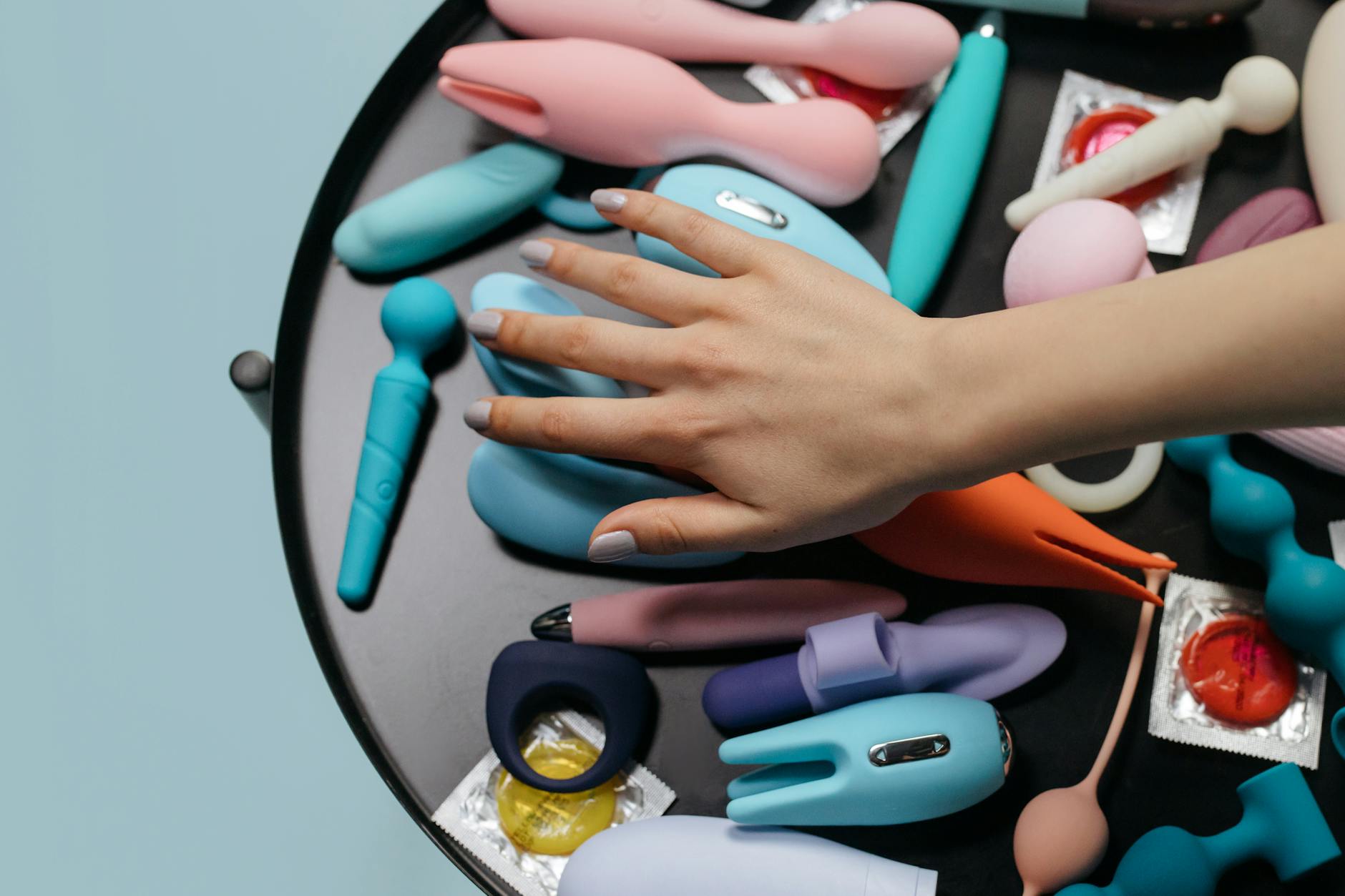
Why Lemon Vibrators Feel Different When You're Single
The part nobody talks about: how being solo transforms your relationship with pleasure, and why clitoral vibrators like the Lem hit differently when there's zero performance pressure.
Being single changes everything about how you experience pleasure. Not because your body works differently, but because the entire mental landscape shifts. There's no one to perform for, no rhythm to sync with, no pressure to come on schedule. Just you, your body, and whatever you actually want. It's weirdly radical.
Most conversations about solo pleasure frame it as a consolation prize. "It's fine to use a lemon vibrator alone, but partnered sex is the real thing." That's backwards. Solo exploration is where you actually learn what you want. It's the foundation everything else builds on.
When you're partnered, your pleasure gets tangled up with someone else's experience. You're tracking their rhythm, their response, their satisfaction. You might be faking enthusiasm because your partner's been going for twenty minutes and you want them to finish. You might be holding back an orgasm because you're worried about being too loud, or finishing too quickly, or seeming needy.
I work with clients constantly who thought they had low desire or couldn't orgasm, and the actual issue was simple: they'd never experienced pleasure without an audience. Even if that audience was just their partner sleeping next to them.
When you're alone, all of that noise disappears. You're not managing anyone's ego. You're not timing your response to theirs. You're not performing anything. That absence of performance pressure is genuinely transformative.
The suction-based technology of devices like the Lem works differently when you're completely relaxed. Here's why: suction stimulation builds pleasure through a chain reaction. The sensation travels through nerves that connect directly to your brain, and because there's zero external pressure or distraction, your nervous system actually registers the full intensity.
When you're partnered and even slightly anxious (conscious or not), your nervous system is in a lower-level alert state. You're monitoring. You're aware. You're managing the interaction. That vigilance dampens sensation. Solo, with a lemon clitoral vibrator, you can actually feel everything because your brain isn't split between pleasure and observation.
Second, lemon sexual toys give you complete control over speed, pattern, and pause. No negotiation. If you want to stay at pattern three for fifteen minutes and then jump to pattern five, you do that. If you want to take a break and come back to it, nobody's getting frustrated. The Lem responds exactly to what you want, exactly when you want it. That autonomy is huge.
When you're rediscovering pleasure on your own terms, you get curious in a way partnered sex doesn't always allow. You might experiment with different positions, different pressure levels, different fantasies without anyone else's comfort or preferences in the mix.
I had a client recently who'd been partnered for twelve years, always received pleasure in pretty much the same way. When she became single, she tried a lemon vibrator for the first time and realized she actually preferred way more intense stimulation than she'd ever communicated to her partner. Not because her body changed, but because she was finally exploring what actually felt good instead of what she thought should feel good.
That kind of self-knowledge doesn't happen in a vacuum. It happens through experimentation. And lemon adult toys make experimentation actually safe and easy because there's no one else's feelings involved.
Here's something that surprises people: being single often brings up weird shame or guilt around pleasure. You might have internalized the idea that you should only be sexual with a partner. Using a lemon vibrator alone might feel self-indulgent or sad, even though it's neither.
That shame is worth naming. Because underneath it is usually some old message about what women's pleasure is supposed to look like. And solo pleasure absolutely doesn't fit that story. It's too autonomous. It's too unapologetically for yourself.
But here's the truth: people who understand their own pleasure, who can come alone and reliably, who know what they like and aren't afraid to ask for it, are actually better at partnered sex when they're ready. You're not trying to figure out your body while also managing someone else's. You already know what you want.
Start simple. Set aside twenty minutes when you actually have time and aren't rushing. You don't need a whole ritual or candles or mood. You just need not to be interrupted.
If you're new to lemon vibrators, start at a lower intensity pattern. Your body will tell you what it wants. Some people love the highest setting immediately. Others prefer to build gradually. There's no right answer. You're gathering information about yourself.
The first few times, you might not orgasm. That's completely normal. Pleasure is the point, not the finish line. Notice what feels good. Notice where on your body you like stimulation. Notice what fantasies come up naturally. Notice your breathing, your pace, what you want to happen next.
Come back regularly. Think of it like exercise or meditation. Your nervous system gets better at accessing pleasure when you practice consistently. And solo pleasure with a clitoral vibrator is one of the easiest ways to practice.
One thing I tell clients: having discovered your own pleasure solo doesn't mean you need to keep everything the same when you're partnered. But you now have the vocabulary to ask for what you want. You know what you like. You can show a partner what feels good instead of them having to guess.
You also have a baseline for what genuine pleasure feels like, without performance or pressure. That makes it way easier to notice when something's not working in a partnered dynamic. You're not trying to convince yourself an okay experience is great. You already know the difference.
Being single and exploring pleasure with lemon sexual toys isn't a consolation. It's an actual advantage. You get to learn about yourself in a way most people only get if they're really intentional about it.
Your pleasure matters whether you have a partner or not. That's not a radical statement. But culturally, we treat solo pleasure like it's a holding pattern until real sex happens. It's not. It's legitimate on its own. It's where you learn. It's where you heal from old ideas about what your body should be or do.
A lemon vibrator in your hands, alone, no audience, no performance, just exploring what feels good. That's not sad. That's freedom. And honestly, it's the foundation that makes everything else better.