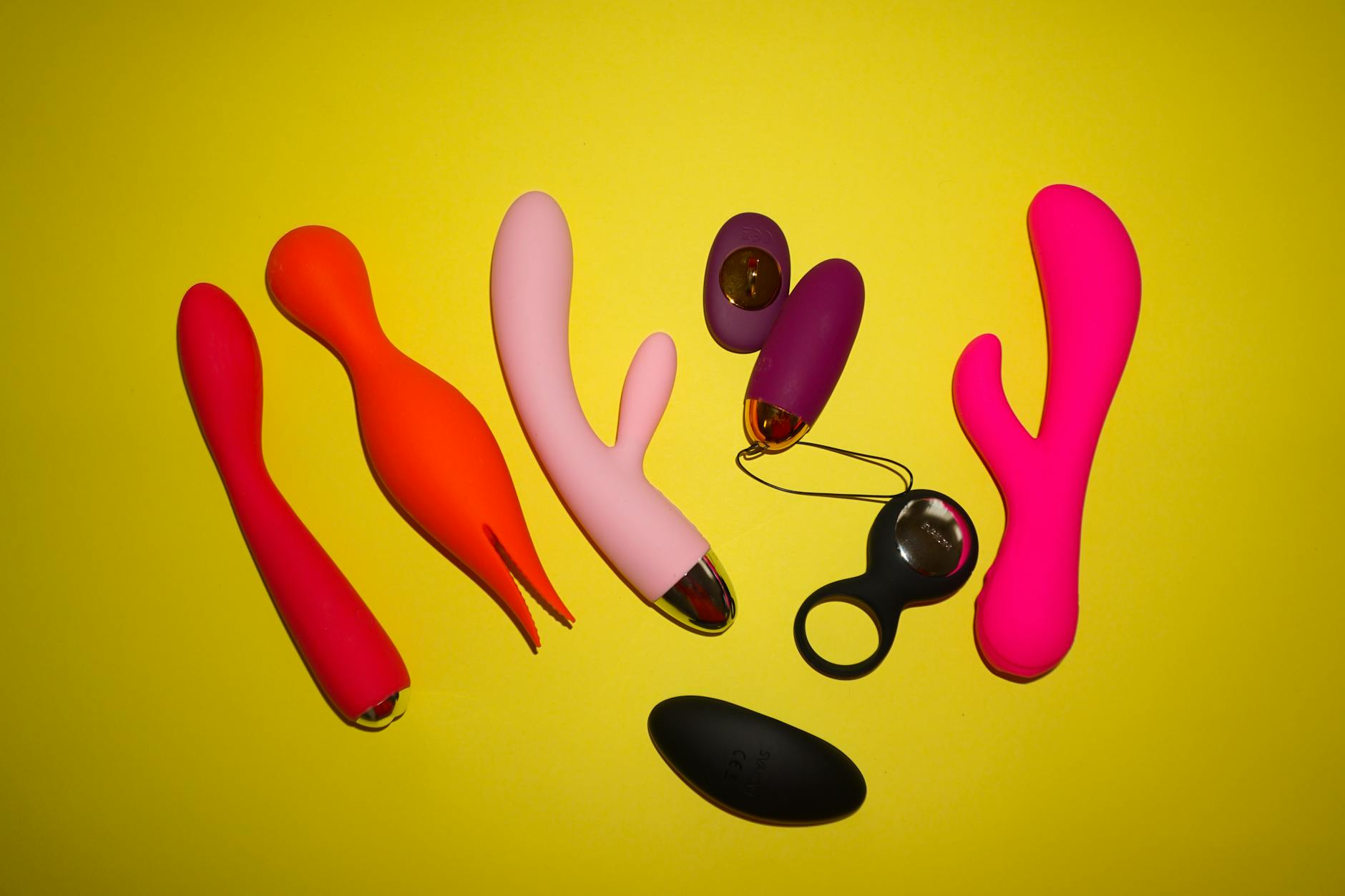
Why Lemon Vibrators Feel Different When You Switch Partners
Your pleasure isn't just physical. When you move from one relationship to another, your body responds differently to the same touch—and your lemon clitoral vibrator responds differently too.
You buy a lemon vibrator. You know how it feels. You know which patterns work, which speed gets you there, how long it takes to build. Then you switch partners. Suddenly, the same toy feels different. Not broken, not worse, just different. Your arousal might build faster or slower. The intensity that felt perfect last year feels either too much or not enough. You're using the exact same device, but your body is responding like it's new.
When you're with a long-term partner, your body has learned their patterns. Your nervous system relaxes faster because there's predictability. You know what to expect. Even without words, your body knows their rhythm, their timing, what they're likely to do next. This safety creates what attachment researchers call "secure arousal." Your parasympathetic nervous system (the relaxation system) is online, which is the opposite of what most people think happens during sex. You actually need to be relaxed to be aroused.
With a new partner, even if you're attracted to them, your nervous system is in a different state. There's novelty, uncertainty, a tiny amount of hypervigilance. Not anxiety exactly, but a baseline of alert attention. Your body is learning them. This changes how you respond to every stimulus, including a lemon sucker or any clitoral vibrator.
The practical result: what felt like the right intensity before now feels either sharp or insufficient. Your arousal pathway has shifted, even though the toy hasn't.
Arousability isn't constant across relationships. Research on sexual response cycles shows that the speed of arousal, the height of the peak, and how quickly you return to baseline all shift based on your psychological state with that particular person.
With a long-term partner, you've likely established patterns. Maybe you know you take fifteen minutes to build, you prefer slow starts, you like a specific sequence. Your lemon vibrator is calibrated to that rhythm. But with someone new, the timeline changes. Your body might:n
Take longer to warm up (because trust is still building)
Build faster once you do relax (because novelty and attraction are active)
Have a lower or higher threshold for the same sensation intensity
Recover faster between orgasms or feel satisfied more quickly
The Lem or any clitoral vibrator just responds to what your body needs in the moment. If your body's response cycle has shifted, the toy feels like it's working differently even though it's running at the same setting.
Here's what complicates this further: pleasure is not separate from how you feel about your partner. Neuroscience shows that the same physical touch activates different regions of your brain depending on who's delivering it and what it means to you.
When you're with a new partner, you might be:n
Processing sexual novelty (which can enhance arousal)
Dealing with insecurity or comparison (which can dampen it)
Experiencing excitement about exploring someone new (which can accelerate it)
Grieving the loss of the previous partnership (which can numb it)
Rebuilding your identity as a sexual person (which can make you feel disconnected from your own pleasure)
All of these emotional states are real and valid. And all of them change how you respond to touch, including vibration. A lemon clitoral vibrator doesn't know the emotional story. It just stimulates nerve endings. But your brain, which is your biggest sex organ, absolutely knows the story. And that changes everything.
The good news: this isn't permanent. Your body doesn't stay in the new-partner mode forever. Most people find that after 4-12 weeks of regular sexual contact with a new partner, the nervous system recalibrates. Your body learns them. The hypervigilance softens. You relax more easily into arousal.
During this recalibration phase, your lemon vibrator might feel:n
Too intense at first (because you're not as relaxed)
Better at lower settings than you used before
More effective during certain parts of your cycle
Different depending on how much emotional presence your partner brings
This is normal. You're not broken. Your toy isn't broken. Your nervous system is just learning someone new.
If you feel like something's changed with a toy you've loved for years, try these:
Start solo. Spend time alone with your lemon vibrator before integrating it into partnered sex. This reminds your nervous system what your own pleasure baseline feels like. It recalibrates your internal reference point. Solo sessions also take the pressure off performance and give you space to reconnect with your body without worrying about your partner's experience.
Communicate the shift. Tell your partner that your body is responding differently than it used to with previous partners. This isn't criticism; it's information. The more your partner understands that this is neurological, not emotional or a reflection on them, the less they'll take it personally. Many partners actually find this reassuring because it explains why sex might feel different than they expected.
Adjust settings intentionally. If the Lem or any clitoral vibrator felt perfect at pattern 5 in your last relationship, you might find pattern 2 or 3 is what you need right now. Don't assume you've changed permanently. You're just responding to a different relational context. As the relationship deepens and your nervous system settles, you may naturally gravitate back toward your original preference.
Build emotional intimacy separately from physical intimacy. The faster your nervous system trusts your new partner outside the bedroom, the faster your arousal will recalibrate inside it. Talk about things that matter. Share vulnerabilities. Let them know you. Your body responds to relational safety, and that safety builds over time through conversation and consistency.
Consider this a data point, not a problem. Some people interpret a shift in sexual response as a sign they're not attracted to their new partner or that something's wrong. Usually, it just means their body is still learning. The body is conservative. It takes time to fully relax into something new.
Sometimes a change in arousal or pleasure response with a new partner points to something more useful to examine.
If you feel numb or disconnected even after several months with a partner who seems trustworthy and kind, that might signal lingering trauma from a past relationship or depression that needs attention. If arousal feels difficult only with this person and you felt fine with others before, that might be information about compatibility or safety dynamics in the relationship itself. If you're using a lemon vibrator more intensely than before because nothing else feels like enough, that might indicate either a shift in baseline sensitivity or an emotional need that isn't being met.
None of these mean you're broken. They just mean your nervous system is sending you useful signals. Pay attention.
One of the most misunderstood parts of sexual response is that it's not just about the toy, the technique, or your own body. It's about the whole relational context. Who you're with, how safe you feel with them, what you're bringing emotionally, what they're bringing, whether the connection feels mutual and affirming. All of it affects how your nervous system responds to physical touch.
A lemon clitoral vibrator is a tool. It responds to what your body needs. But your body's needs are shaped by your relationships, your history, your nervous system's current state, and whether you feel genuinely safe with the person you're with.
If you're noticing that pleasure feels different with a new partner, that's not a red flag about the toy or about you. It's just your body doing exactly what it's supposed to do: responding sensitively to a new relational context. Give yourself time. Stay curious instead of critical. Notice what's actually happening without judgment. Most of the time, as trust deepens and your nervous system recalibrates, your pleasure rebounds and often becomes deeper than it was before.
Why does my clitoral vibrator feel less effective with a new partner than it did with my ex?
Your nervous system is in a different state with a new partner. With an ex, your body had learned their patterns and relaxed more easily into arousal. With someone new, even if you're very attracted to them, there's a baseline of newness and recalibration happening. Your body hasn't learned them yet, which can change how you respond to the same physical stimulus. After 4-12 weeks of regular sexual contact, most people find their arousal recalibrates and pleasure rebounds.
Should I tell my new partner that I feel less aroused with them?
If your partner is someone you want to build trust with, yes. Frame it as information about your nervous system, not criticism. "My body takes a bit longer to relax into arousal with someone new, even though I'm really attracted to you" is very different from silence that might make your partner feel rejected. Most partners actually feel reassured when they understand that the difference is neurological, not emotional.
Will my body ever feel the same way with a new partner as it did with a long-term partner?
Yes, usually. As emotional intimacy deepens and your nervous system learns and trusts your new partner, your arousal response deepens too. Many people find that their pleasure becomes richer with time, not less rich. The intensity might be different, but it's often because you've learned more about what actually works for you.
Can using a lemon vibrator solo help me reconnect with my pleasure in a new relationship?
Absolutely. Solo sessions remind your nervous system what your baseline pleasure feels like without the performance pressure of partnered sex. It also gives you space to recalibrate your own reference point. Many people find that spending time alone with their toy actually deepens their experience in partnered sex later.
Why do I feel numb when using my vibrator in a new relationship?
Numbness can happen for several reasons. Sometimes it's just nervous system recalibration and resolves within a few weeks. Sometimes it signals that you're not feeling emotionally safe with this particular partner. Sometimes it's a sign that trauma from a past relationship is still active. If numbness persists after several months, it's worth exploring with a therapist who specializes in sexual health or relational trauma.
Is it normal for pleasure to feel less intense when starting a new relationship?
Yes, it's very normal. Your arousal response is tied to nervous system safety and relational predictability. With someone new, even someone you choose and trust, your body is still in learning mode. This almost always shifts as the relationship develops and your nervous system relaxes more fully into the connection.
Your pleasure is always a conversation between your body, your mind, your history, and the person you're with. When you switch partners, that whole equation shifts. A lemon vibrator or any clitoral vibrator isn't immune to that shift. It just responds to what your nervous system is actually ready for.
If you're noticing changes in your pleasure response with a new partner, you're not broken and neither is your toy. You're just in a recalibration period. Stay curious. Communicate. Give yourself time. Most of the time, as trust deepens and your nervous system settles, your pleasure deepens too. And often, it becomes richer than it was before.
If you'd like to explore how emotional intimacy and sexual response intersect in your specific relationship, I'm here to help. Reach out anytime.