Why Lemon Vibrators Feel Different When You Have Low Libido From Thyroid Issues
Let's be real: thyroid dysfunction is a libido assassin. But most conversations about it stop at fatigue and weight gain. Nobody talks about what happens to sex.
Science
Thyroid dysfunction doesn't just kill your energy. It flattens desire, numbs sensation, and changes how your body responds. Here's what's happening and what helps.
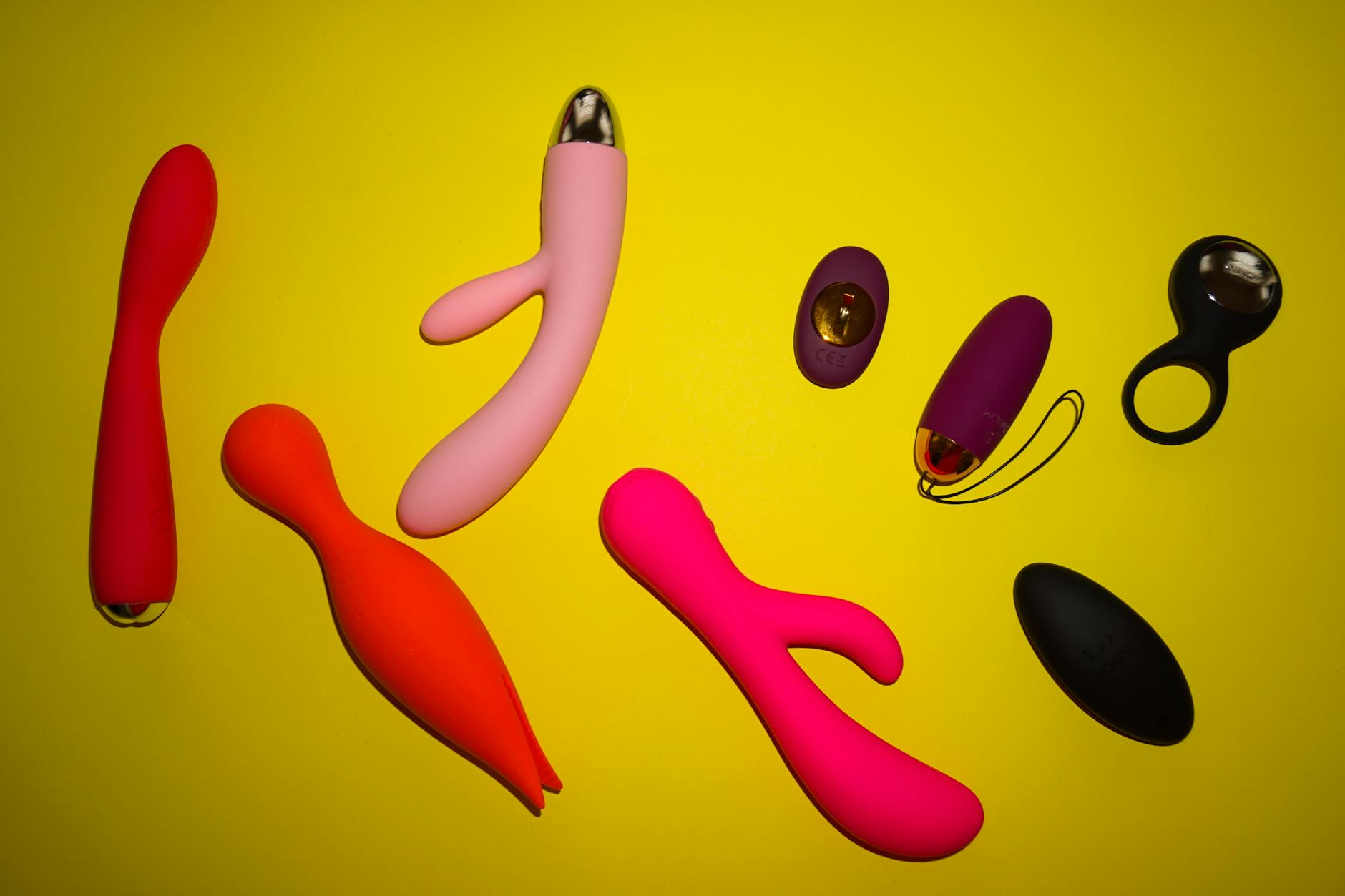
Let's be real: thyroid dysfunction is a libido assassin. But most conversations about it stop at fatigue and weight gain. Nobody talks about what happens to sex.
Here's the part that matters. When your thyroid isn't working right, desire doesn't just soften. Sensation flattens. Arousal takes longer to build. Orgasms feel distant or muted. And then you add the layer of frustration from not knowing why your body has stopped responding the way it used to.
I work with people navigating this all the time. The good news: understanding what's happening physiologically helps. And tools like lemon vibrators work differently when thyroid dysfunction is in play. Knowing how changes everything.
Your thyroid controls your metabolic rate. When it's sluggish (hypothyroidism), every system runs slower. That includes the neural pathways that fire up arousal.
Here's what happens at the cellular level:
Thyroid hormones regulate neurotransmitter production. Dopamine and serotonin both depend on thyroid function. Dopamine is crucial for desire. When it dips, wanting sex feels like a chore someone else assigned to you. Your brain isn't sending the "go" signal anymore.
Blood flow to the genitals also slows. This means less engorgement, slower clitoral response, and weaker sensations during stimulation. You're not broken. Your metabolism is running at half speed, and that includes the blood vessels that make pleasure possible.
Muscle tension changes too. The pelvic floor often becomes either too tight (holding tension) or too loose (lacking tone). Both change how orgasms feel. Many of my clients report that their climaxes feel shallow or missing entirely when thyroid levels are off.
The sensation thing trips people up. You can stimulate yourself for 20 minutes and feel almost nothing. It's not that you're not being touched. It's that the signal isn't reaching your brain the way it should.
This isn't a friction problem. It's a transmission problem. Your nerves are waiting for thyroid hormones to help them fire properly, and that message is delayed.
Many people assume this means they've lost something permanent. They haven't. Once thyroid levels stabilize, sensation usually returns. Sometimes it takes weeks. Sometimes months. But it comes back.
This is the practical part that actually changes things.
A regular vibrator delivers vibration. It works by friction and intensity. When your body is already numb, you typically need to turn up the power to feel anything at all. Which feels harsh. Which makes you frustrated. Which kills the mood even more.
Lemon vibrators use air-pulse suction technology. Instead of vibration, they create rhythmic pressure waves that stimulate the entire clitoral complex, not just the surface. The suction mechanism engages nerve clusters differently than traditional vibration does.
When sensation is flattened by thyroid dysfunction, suction-based lemon adult toys often feel more noticeable at lower intensities. You're not fighting numbness with brute force. You're using a mechanism that the body can sense even when everything is running slow.
Start on the lowest setting. Let it work for 20-30 seconds before moving to a higher pattern. Your nervous system will respond. It just needs time.
This varies wildly depending on your thyroid situation.
If you're newly diagnosed and starting medication, expect 4-8 weeks before you notice real changes. Your doctor adjusted your dose based on blood work, but your body is still getting used to new hormone levels. Sensation creeps back gradually.
If you've been on stable thyroid medication and suddenly lost desire, that's worth investigating. Your dose might need adjustment. TSH levels drift. A simple blood test can tell you if your medication is still doing its job.
If you're hyperthyroid (overactive thyroid), the problem is different but similar. Too much thyroid hormone creates anxiety, makes concentration impossible, and kills desire through sheer nervous system overload. That usually requires medication adjustment too.
The point: don't assume your body is permanently changed. Ask your doctor to run a full thyroid panel. TSH, free T3, and free T4. All three matter.
Four tactical things that help:
Lower your expectations about intensity. You're not aiming for mind-blowing. You're aiming for sensation. That's enough. A gentle 15-minute session with the Lem on pattern 1 or 2 is a win.
Extend warm-up time. Give yourself 25-30 minutes before you expect any real arousal. Your body is running slow. Rush it and you'll feel nothing and get frustrated. Slow down and meet your body where it actually is.
Use this time to reconnect with your body. Thyroid dysfunction often comes with dissociation. You're exhausted, you can't think clearly, and emotionally you've checked out a bit. A slow lemon vibrator session is an excuse to reconnect. That's not a waste of time. That's therapy.
Talk to your partner about what's happening. If you have one, frame this clearly: "My body is responding differently because my thyroid levels are off. I'm working on it medically. In the meantime, I need us to slow down and focus on sensation rather than orgasm." Most partners respond much better to honesty than to withdrawal.
If you're on thyroid medication and your libido hasn't returned after 8-12 weeks of stable dosing, say something.
Thyroid medication can work without your sexual function being restored. This happens. Your TSH might look fine on paper while you're still numb. Ask to run free T3 and free T4 levels. These are more sensitive measures than TSH alone.
Also mention if you're on an older formulation. Some people feel dramatically better switching from synthetic levothyroxine to desiccated thyroid or other formulations. Your doctor might resist this because levothyroxine is the standard, but it's worth discussing if you're not improving.
And if you're also on antidepressants (which many people with thyroid dysfunction are), that's adding another layer of numbing. Work with both your endocrinologist and psychiatrist on this. Sometimes adjusting one medication helps the other work better.
When your thyroid levels stabilize and sensation starts coming back, desire usually follows. But not always immediately.
You've spent weeks or months feeling disconnected. That takes a psychological toll. Even when your body is physically ready again, your brain might still be skeptical. You've tried and felt nothing so many times that approaching pleasure feels risky.
This is where using a lemon vibrator consistently matters. Not for orgasm. For proof. Let your body demonstrate to your mind that sensation is actually returning. A 10-minute session every other day, no pressure to climax, just noticing what you feel. This rewires the expectation loop.
Thyroid dysfunction isn't a character flaw and it's not permanent. Your body isn't broken. It's just waiting for the right hormone levels to start working again.
Yes. Some people feel worse on certain medications or formulations. Levothyroxine is the standard and works for most people, but if you're on it and still struggling after 8 weeks, ask your doctor about alternatives. Also check if you're taking it properly. It needs to be taken on an empty stomach, 30-60 minutes before food or other supplements.
Order a full thyroid panel from your doctor. TSH, free T3, and free T4. If all three are normal and libido is still gone, the culprit is likely something else (medication side effects, relationship issues, depression, or other hormonal problems). If thyroid markers are off, get treated for that first and see if desire returns.
Completely normal. Hypothyroidism floods your body with signals to conserve energy. Sex is metabolically expensive. Your body is literally telling you to do nothing. This isn't laziness or loss of attraction. It's physiology.
It might create sensation, but the real solution is treating the thyroid. A vibrator is a tool, not a replacement for medication. Get your levels checked and stabilized first. Then use the vibrator as your body recovers sensation.
Three to six months is typical for most people. But sexual sensation can take longer to fully return. Give it time. And check in with your doctor at six weeks and three months to make sure your dose is right.
Yes, but differently. Too much thyroid hormone creates anxiety, restlessness, and trouble concentrating. Your nervous system is overclocked. Desire gets lost in that chaos. Treatment usually involves medication to slow your thyroid down, and libido typically returns once you're in the normal range.
If you're experiencing low libido and you haven't had your thyroid checked, make that appointment. Even if someone told you your thyroid was fine a year ago, get it checked again. TSH drifts. Doses need adjusting.
And if you have been diagnosed with thyroid dysfunction and you're struggling sexually, know this: your body isn't broken. It's just running on low power while medication does its job. Tools like lemon clitoral vibrators can help you reconnect with sensation while you wait for your levels to stabilize.
Your pleasure matters. It matters enough to investigate. It matters enough to talk about with your doctor. And it matters enough to give your body time to heal.