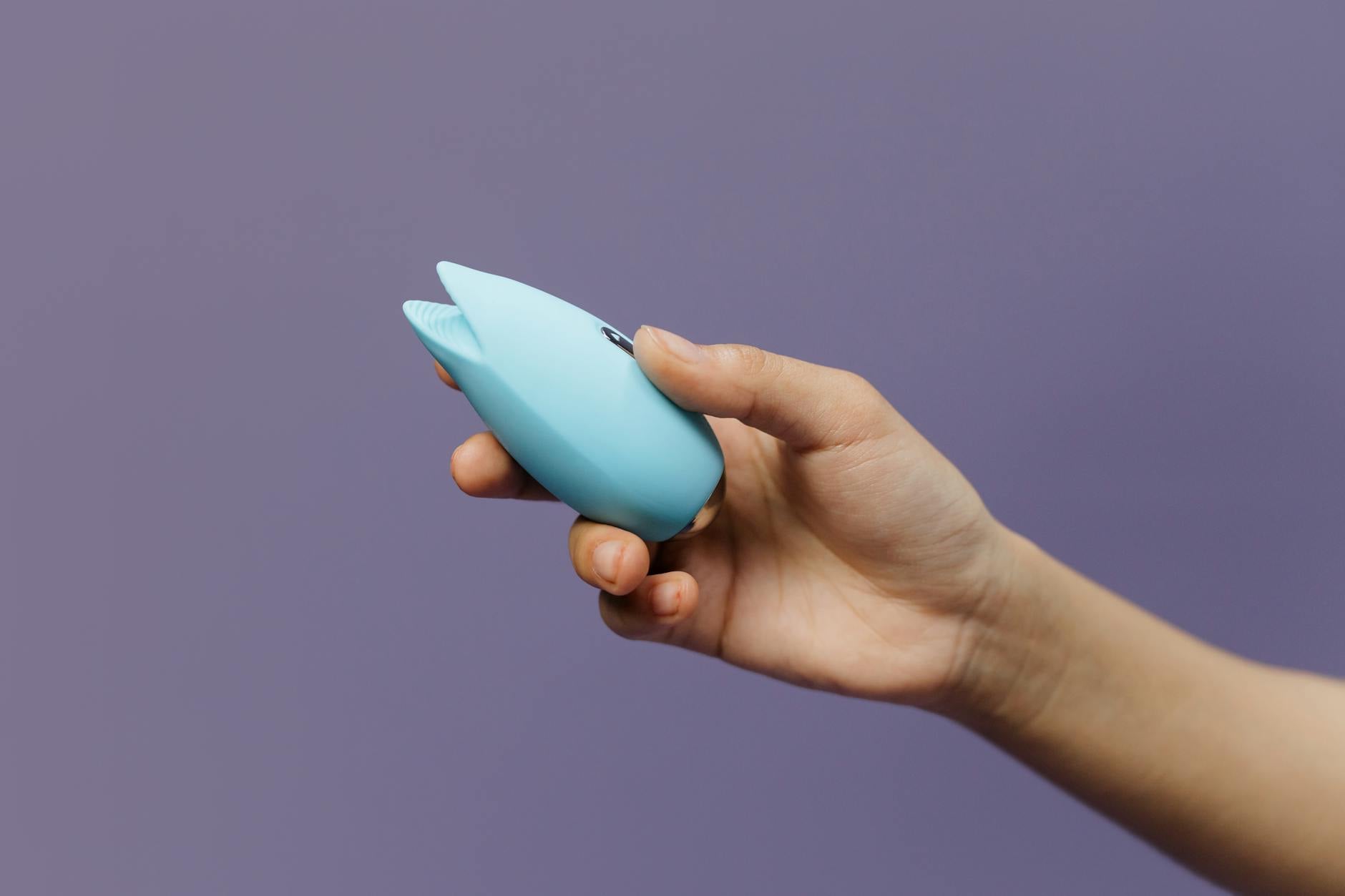
The difference between suction and vibration matters more than you'd think
If you've ever felt your body reject something that was supposed to feel good, you're not alone. Sensitive tissue isn't a flaw. It's a signal. And the reason so many people say "vibrators don't work for me" is because traditional vibration can feel too harsh, too direct, or too intense on delicate skin.
Here's where lemon vibrators change the game. The Lem uses air-suction technology instead of mechanical vibration. That's not just a marketing difference. It's a biomechanical one that matters for how your body responds.
What makes traditional vibrators feel too intense
Most clitoral vibrators work the same way. A motor spins, creating rapid oscillation against your body. This works beautifully for some people. For others, especially those with sensitive tissue, it feels like too much friction, too fast, too soon.
Think of it like this: vibration is direct mechanical pressure repeating hundreds of times per second. It's contact-based. The stimulation lives entirely on the surface of the tissue where the vibrator meets your skin.
For people with:
- Thin or easily irritated tissue
- Healing scars or textured areas
- Nerve sensitivity from medical conditions
- Recovery from trauma or injury
- Vulvodynia or vestibulodynia
- Naturally low pain thresholds
That direct, repetitive pressure can trigger discomfort instead of pleasure. The body tenses. Arousal stalls. And you're left wondering why your body is fighting something that should feel good.
How air-suction feels fundamentally different
Lemon clitoral vibrators work through gentle suction that creates a sensation more like a soft pulse than a buzz. The technology draws blood flow to the area without the mechanical hammering of traditional vibration.
The key difference: suction stimulates deeper nerve tissue without relying on direct surface friction. It's less abrasive, less jarring, and less likely to trigger protective tension in your pelvic floor.
When you use air-suction technology like the Lem vibrator, your body isn't bracing against impact. It's responding to a gentler signal that encourages relaxation instead of contraction.
Why sensitive tissue benefits from reduced friction
Sensitive vulva tissue is usually sensitive for a reason. Sometimes it's structural. Thin epithelium (the protective outer layer) can come down to genetics, hormonal changes, or recovery from childbirth or surgery.
Sometimes it's neurological. Nerve endings are more densely packed in some people, which means less stimulation creates more sensation. A vibrator that feels perfect for someone else might feel overwhelming for you.
Air-suction addresses this by working smarter, not harder. Because the stimulation spreads across a wider area and doesn't depend on friction, you get strong sensation without assault. The Lem's design means the suction is gentle enough for tender tissue but powerful enough to build actual arousal and pleasure.
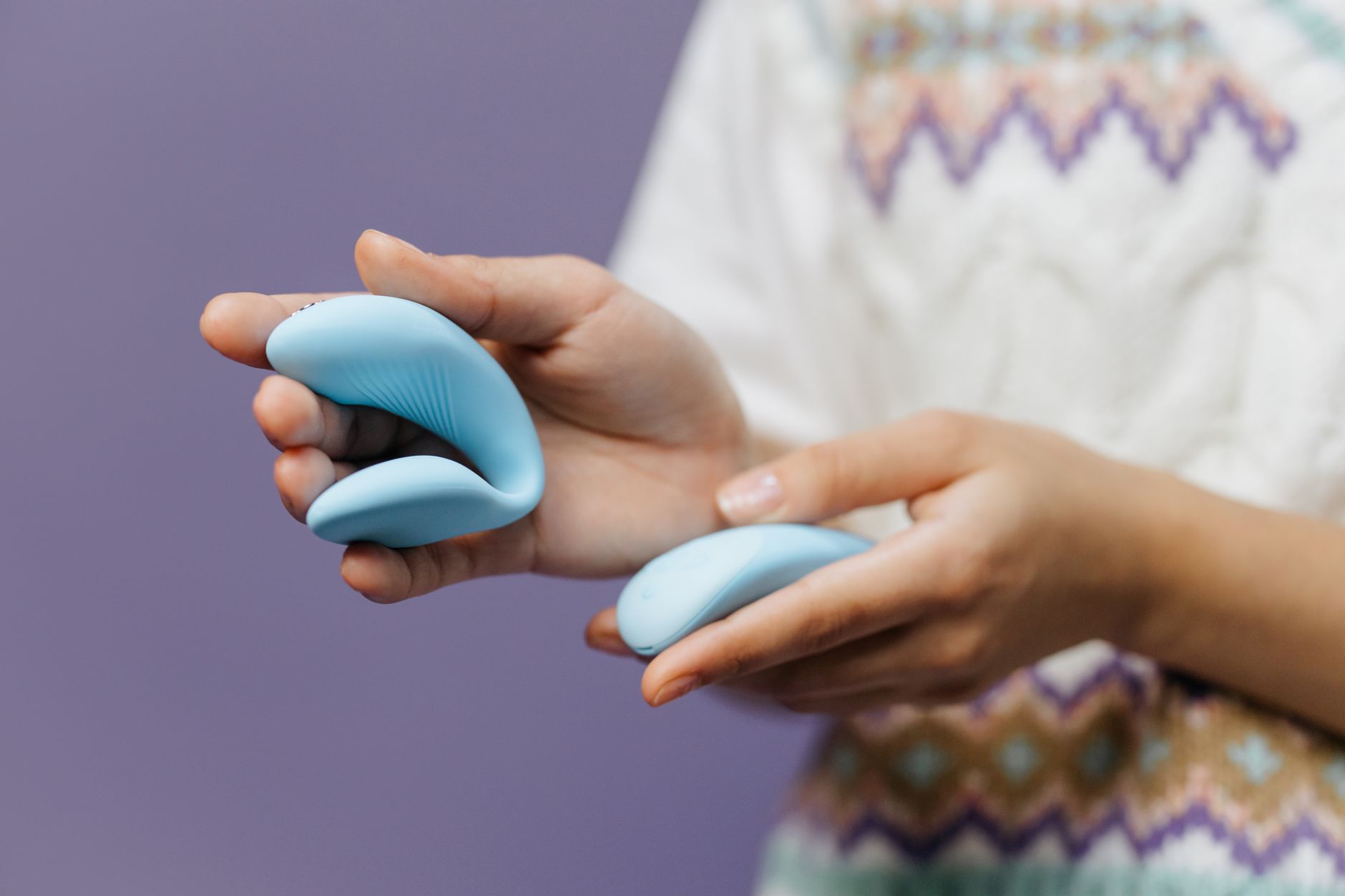
Photo by cottonbro studio on Pexels
The pelvic floor connection no one talks about
Here's something most sex toy conversations miss: your pelvic floor responds to threat. If stimulation feels too intense or uncomfortable, your pelvic floor muscles tighten protectively. This makes sensation worse, not better. It becomes a negative feedback loop.
With traditional vibrators on sensitive tissue, this happens automatically. The intensity triggers a micro-contraction. Pleasure stalls. Orgasm becomes harder to reach.
Lemon vibrators sidestep this entirely because the sensation doesn't feel threatening. Your body isn't bracing. Your pelvic floor stays relaxed. Arousal can actually build.
If you're dealing with pelvic floor issues, this becomes even more critical. The gentler input from air-suction technology means you're not working against your own body's protective instinct.
Tissue healing and long-term comfort
Sensitivity sometimes means you're currently healing. Maybe it's postpartum recovery, post-surgical healing, or healing from infection or injury. In those cases, a vibrator that's too aggressive can actually set your recovery back.
Air-suction technology is gentler on healing tissue because it doesn't create the same repetitive microtrauma that vibration can. You're building pleasure without building irritation.
Once you're healed, that gentleness doesn't disappear. Many people who switch to lemon sexual toys and clitoral vibrators with suction technology say they never go back. The pleasure feels fuller, the experience feels safer, and orgasms come more reliably.
How to use lemon vibrators safely on sensitive tissue
Even with air-suction technology, technique matters. Here are the adjustments I recommend for sensitive tissue:
Start with the lowest setting. The Lem has multiple intensity levels. Begin at pattern 1 or 2, even if you think you want more. Your tissue will tell you when it's ready to increase.
Use lubrication. Water-based lube isn't just for comfort. It helps distribute suction more evenly and prevents any localized irritation from developing.
Warm up first. Spend 10-15 minutes building arousal through touch, thought, or whatever works for you before bringing any vibrator into play. Aroused tissue responds better and feels less sensitive.
Build gradually. Increase intensity slowly across a few sessions. Your body adapts. What feels intense on day one often feels perfect on day three.
Stop if anything hurts. Pleasure and pain are not on a spectrum. If you feel sharp pain, burning, or persistent irritation, stop and take a break. Tenderness might be fine. Pain is not.
The emotional dimension of sensitive tissue
Let's be real: having sensitive tissue comes with shame sometimes. You feel broken. You worry you're too much trouble. You wonder if you're normal.
None of that is true. Sensitive tissue is just tissue with particular needs. It doesn't make you broken. It makes you someone who needs the right tool.
Finding that tool. discovering that your body can actually respond with pleasure when something feels good instead of threatening. That's a shift. Many people tell me it's the first time they've felt like their pleasure is actually possible, not hypothetical.
When to see someone about persistent sensitivity
If sensitivity appeared suddenly or is accompanied by pain during sex, itching, burning, or discharge, that's worth a conversation with a gynecologist. Conditions like vulvodynia, vestibulodynia, or dermatological issues exist and are highly treatable.
If sensitivity is just how your tissue is wired, and you're not in pain, lemon vibrators and air-suction technology become your answer. They work with your body instead of against it.
The right vibrator isn't the most powerful one. It's the one that feels good to you. For sensitive tissue, that's usually the one that feels like a hug instead of a hammer.
FAQ
Are lemon vibrators suitable for all types of sensitive tissue?
Mostly yes, but not universally. If you have active pain, infection, or a diagnosed condition like vulvodynia, talk to a provider before using any vibrator. Once you're cleared, air-suction technology like the Lem vibrator is generally gentler than traditional vibration. That said, every body is different. Start at the lowest setting and listen to what your tissue is telling you.
Can I use a lemon clitoral vibrator if I have scarring from childbirth or surgery?
Yes, and many people find air-suction vibrators particularly helpful during recovery and after healing is complete. The gentleness of suction-based technology means you can rebuild sensation and pleasure without triggering irritation. Always wait until any acute healing is finished before introducing a vibrator, and start with low intensity.
How is air-suction different from vibration for pain management?
Vibration can sometimes amplify pain or trigger protective muscle tension. Suction works differently. It encourages blood flow and relaxation rather than contraction. If you've had pain with traditional vibrators, lemon sexual toys and air-suction technology often feel dramatically different. That said, if you have pain during any sexual activity, address that with a healthcare provider first.
Will I still achieve orgasm with a gentler vibrator?
Absolutely. Many people who switch to lemon clitoral vibrators report more reliable and more intense orgasms, not fewer. That's because pleasure requires relaxation, and gentler stimulation allows your body to stay relaxed instead of tensing up. More relaxation often equals more sensation and easier orgasm.
Do I need special lube with air-suction vibrators?
Water-based lube works beautifully with the Lem and other lemon vibrators. Silicone lube can damage silicone toys, so stick with water-based. The lube isn't just for comfort. It helps the suction distribute evenly and prevents any localized friction. This is especially important on sensitive tissue.
Can sensitivity change over time?
Yes, absolutely. Hormonal shifts, stress, relationship changes, medical conditions, medications, and age all affect tissue sensitivity. What felt overwhelming a year ago might feel perfect now. What works today might need adjustment later. That's normal. The Lem's adjustable intensity means you can adapt your experience as your body changes.
The bottom line
Sensitive tissue isn't a problem to solve. It's information to listen to. When you choose a vibrator designed to work with sensitive bodies instead of against them, pleasure becomes possible in a way it might never have been before. Air-suction technology, like what powers the Lem vibrator, offers gentleness without sacrifice. Your pleasure matters. Your comfort matters. And you deserve a tool that respects both.