Let's talk about what depression actually does to pleasure
Depression doesn't just make you sad. It deadens sensation itself. The neural pathways that light up during arousal go quiet. Dopamine drops. Touch feels muted, sometimes almost unreal, like you're experiencing your own body through glass. Your brain is telling you pleasure doesn't exist, and for a while, you believe it.
When you're coming out of depression, even mild arousal feels like a victory. But here's what nobody tells you: sensation doesn't always roar back the moment your mood lifts. Sometimes it creeps back slowly, hesitantly. Your body needs help remembering what pleasure feels like.
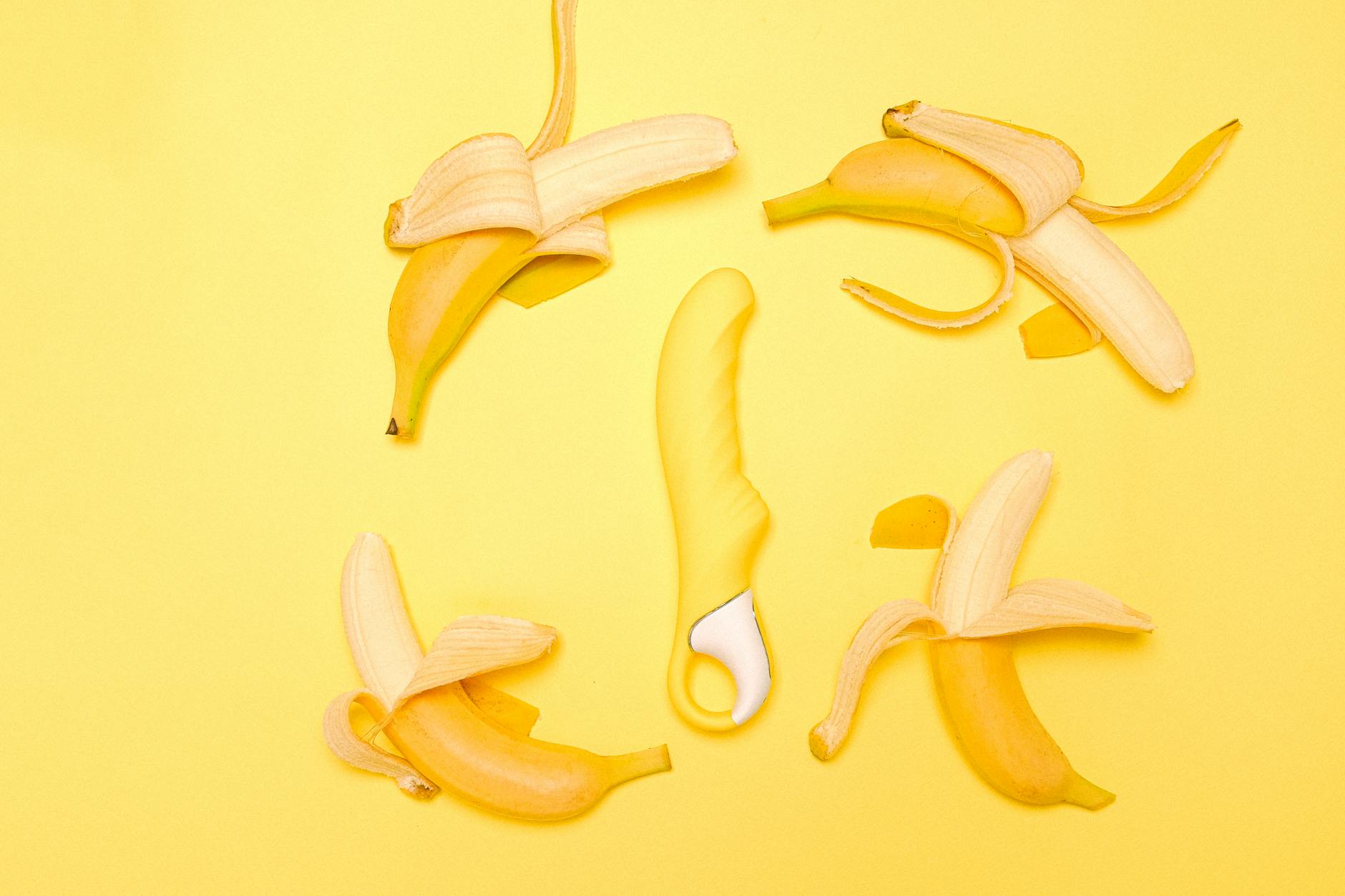
That's where something like a lemon clitoral vibrator changes the equation. It's not therapy. It's not a cure. But it is a bridge. Let me show you how.
Why sensation needs external help during recovery
Think of arousal like a dimmer switch. When depression hits, that switch gets stuck on low. Antidepressants help lift the fog, but they don't automatically reset the switch to where it used to be. Your brain needs stimulation strong enough to remind your nervous system that pleasure is still possible.
Lemon vibrators work because they bypass the hesitation. They deliver consistent, reliable sensation without you having to generate arousal from scratch. That consistency matters. When you're rebuilding, predictability is actually comforting.
The suction mechanism that lemon adult toys use is especially helpful here. It stimulates the clitoral glans and the surrounding tissue through gentle, rhythmic suction rather than direct vibration. For people coming out of depression, this feels less jarring than traditional vibrators. Less performative. More like reconnection.
The neuroscience of rewiring pleasure pathways
Here's what happens in your brain when you use a lemon vibrator during recovery: repetition rebuilds synaptic connections. Every time you experience sensation, you're strengthening the neural pathways that lead to arousal and pleasure. You're literally rewiring your nervous system to remember that good feelings are possible.
This doesn't happen overnight. After six months of depression, your brain isn't going to snap back to baseline in a week. But consistent, gentle stimulation creates new associations. Your body starts to anticipate pleasure. Dopamine release improves. Over time, your own arousal mechanism works better because you've been practicing.
That's why a lot of therapists recommend masturbation as part of depression recovery. It's not indulgent. It's functional neurology.
Why lemon sexual toys feel different from vibrators you might have used before
If you tried vibrators before depression hit and they never felt right, here's why a lemon vibrator might work better during recovery: the suction design creates sensation without constant friction. For sensitive tissue, for bodies that are still waking up, for nervous systems that need gentleness, this is the difference between pleasure that feels possible and pleasure that feels like too much.
The Lem's air-suction technology means you're not fighting pressure or numbness. You're not waiting for your body to respond to traditional buzzing. The sensation is more focused, more alert to what you're actually experiencing. That precision matters when you're rebuilding trust in your own body.
Many people returning from depression also find that having a dedicated tool helps psychologically. It's permission. It's saying: I'm worth this time. This body deserves attention. That mindset shift is half the work.
Practical steps for getting back online
Four things that actually help:
Start with low intensity. Use the lowest suction setting. Give your nervous system time to recognize sensation as safe and good. Intensity can increase. Right now, gentle consistency is the goal.
Set a regular time. Not performance pressure. Just a consistent rhythm your brain can anticipate. Tuesdays and Friday nights. Whatever works. Predictability helps depression recovery across every domain, including this one.
Use plenty of lube. Depression often comes with hormonal shifts and medication side effects that dry things out. Water-based lubricant removes friction and lets you focus on sensation rather than discomfort.
Separate pleasure from partnership, if you have one. If you're also rebuilding intimacy with a partner, let solo exploration happen first. Solo sensation is lower stakes. It's just you and your body relearning what feels good. No performance anxiety. That foundation makes partnered pleasure easier later.
When sensation doesn't come back as fast as you hoped
If weeks go by and arousal still feels muted, that's not a failure. That's information. It means either the depression is still deeper than it feels, the medication needs adjustment, or your body needs more runway. Talk to your prescriber about whether the medication itself is flattening sensation. Some antidepressants are harder on libido than others. Timing of doses, medication combinations, and sometimes switching can help.
A lemon vibrator is a tool for reconnection, not a replacement for clinical support. If sensation stays flat beyond a few weeks of consistent, intentional practice, check in with a therapist or doctor. Sometimes pleasure coming back slowly is fine. Sometimes it's a signal that something else needs attention.
The gift hidden in the recovery process
Here's something I've observed over years of working with couples and individuals rebuilding after depression: sometimes pleasure comes back differently. Sharper. More intentional. People who've been through depression often report that their orgasms feel more vivid afterward, that they appreciate sensation more, that they're less willing to settle for mediocre partners or mediocre experiences.
That's not inspiration porn. That's the truth of having your nervous system come back online. You don't forget what the void felt like. So when you feel pleasure again, you really feel it.
Using a lemon clitoral vibrator during this transition isn't about rushing back to normal. It's about building a new normal. One where you're more intentional about your pleasure. Where you understand your body's needs more clearly. Where sensation is something you actively choose to return to, not something you passively wait for.
Frequently asked questions
Will using a vibrator make my body dependent on it and unable to feel pleasure without it?
No. The opposite, actually. Regular stimulation with a reliable toy helps your nervous system remember what arousal feels like, which makes self-generated arousal easier over time, not harder. Think of it like physical therapy for your pleasure pathways.
How often should I use a lemon vibrator while I'm recovering from depression?
Start with 2-3 times a week, 10-15 minutes per session. Consistency matters more than frequency. Your nervous system responds better to regular gentle input than to sporadic intense sessions. You can adjust based on how your body feels.
Can I use a lemon vibrator if I'm on antidepressants?
Yes. Some antidepressants do make orgasm harder, but sensation and pleasure are still possible. A vibrator with strong, consistent stimulation can help bridge the gap while your medication is working. If pleasure stays completely flat after several weeks, talk to your prescriber about timing or medication options.
What if I feel guilty about using a vibrator or taking time for my own pleasure?
That guilt is often residual depression talking, telling you that you don't deserve good things. Pleasure is part of healing. Solo time with a lemon vibrator isn't selfish. It's rebuilding. It's you showing up for yourself when depression tried to convince you that you were broken.
Is there a difference between using a lemon vibrator for recovery and using it for regular pleasure?
Yes and no. The tool is the same. The intention might be different early on. In recovery, you're using it to rebuild pathways and trust your body again. As sensation returns and stays, it becomes part of your normal pleasure toolkit, without the clinical framing. Both uses are valid.
What if I try this and nothing happens?
Then you have information. It might mean the depression is lingering deeper than it feels. It might mean medication adjustment would help. It might mean you need more time or a different approach. None of those things mean you're broken. They mean you're gathering data about what you need. Consider reaching out to a therapist who specializes in depression and sexuality to explore what's actually happening.
The path forward
Depression convinces you that pleasure is gone forever. That's the depression talking, not reality. But rewiring your nervous system takes practice, patience, and permission to take time for yourself. A lemon vibrator isn't magic. It's a tool that makes that rewiring easier, more consistent, and way less lonely.
Your body remembers pleasure. It's still in there. Sometimes it just needs a little help waking up. If you're ready to rebuild, we're here. Start slow, stay consistent, and trust that sensation comes back. Because it does.