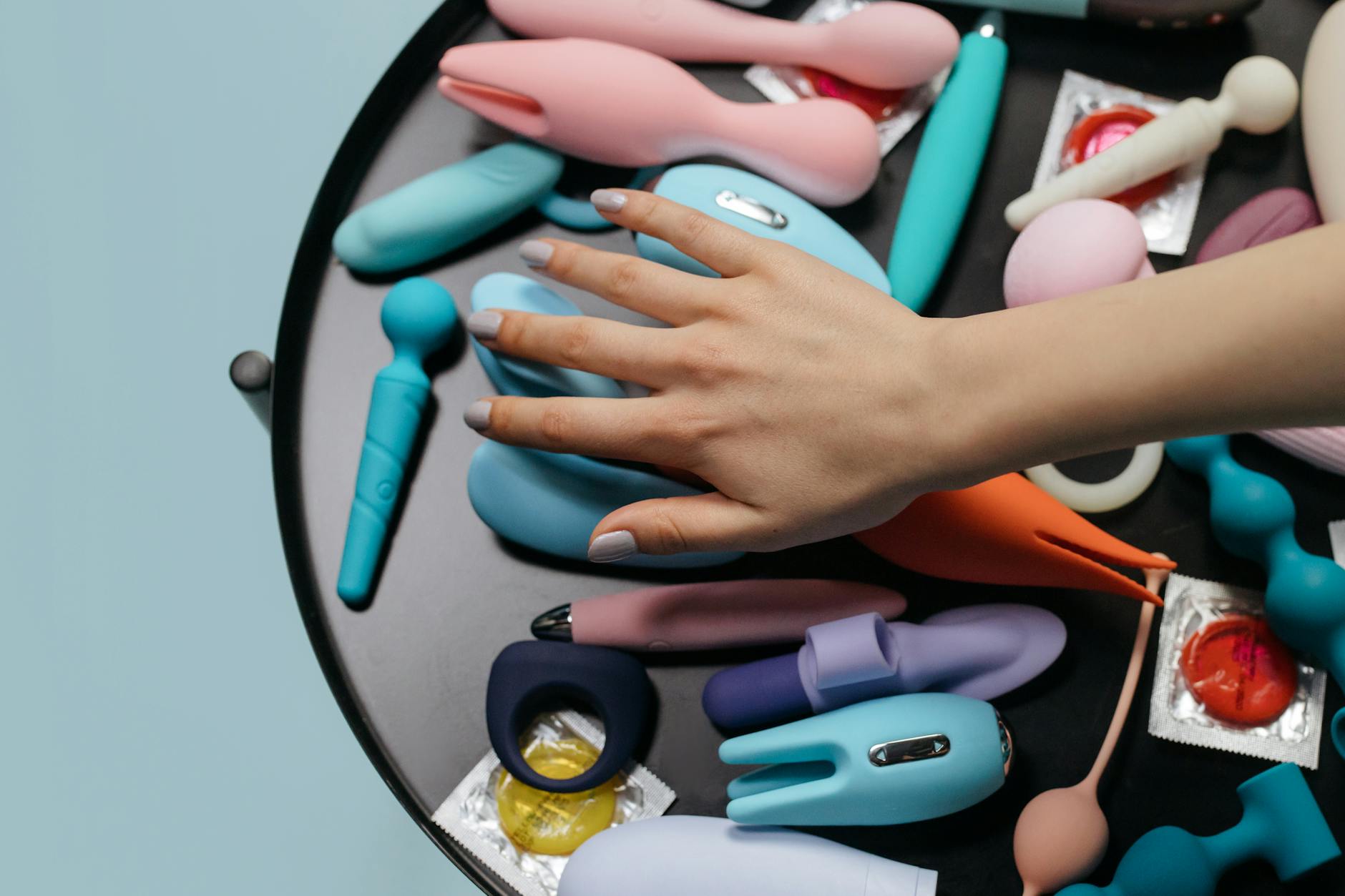
How Lemon Vibrators Improve Sensation When You're Desensitized From Routine
Here's the thing nobody tells you about pleasure. It's not a switch that stays on. It's more like a dimmer that needs regular resetting, especially when you've been using the same motion, same pressure, same rhythm for months or years.
You're not broken. Your nerve endings aren't dead. What's happening is called habituation. Your nervous system has learned to filter out the signal because it's become too familiar. The same way you stop noticing background noise in your apartment, your body stops noticing the same touch. And that's actually useful information, because it means the fix doesn't require anything extreme. It requires novelty.
Desensitization from routine is one of the most common reasons people reach for a new tool. And when they do, they often find that switching from traditional vibration to air-suction technology like the Lem clitoral vibrator creates the kind of reset that brings sensation roaring back.
Why routine touches stop working
Your nervous system's job is to alert you to change. When something is new or unexpected, it fires. When it becomes predictable, it quiets down. After months of the same partner using the same technique, or even months of using the same toy the same way, your clitoral nerves literally adapt. They require more stimulation to register the same level of sensation.
This is not a sign that you need harder vibration or longer sessions. In fact, that often makes it worse. Pushing harder into habituation just teaches your body to adapt faster.
The fix is specificity. Different. A different angle of touch, a different pressure pattern, a different type of stimulation entirely.
How air-suction changes the signal
Lem clitoral vibrators use air-suction technology, which is fundamentally different from direct vibration. Instead of the up-and-down motion your body has probably adapted to, air-suction creates a rhythmic pressure that works more like a wave across the tissue. It's a different neural pathway. Your body hasn't adapted to it because it hasn't had to.
When you switch to air-suction after months of traditional vibration, something interesting happens in the first few sessions. Sensation suddenly feels heightened. The stimulation is registering as novel again. That's not because the Lem is objectively stronger. It's because your nervous system is paying attention to something new.
This is why many people report that their first session with a lemon vibrator feels almost too intense, even on lower settings. They've become so adapted to their previous tool that a genuinely different stimulus registers as almost overwhelming. Usually by the second or third session, it calibrates. But that recalibration is the point. Your nerves are waking up.
The role of pressure patterns in sensation recovery
Lem vibrators pulse in customizable patterns, which is different from single-speed vibration in a specific way. Single-speed trains your nervous system into a rhythm. You anticipate the beat. Your body learns to match it. Over time, sensation flattens into the rhythm itself.
Variable patterns prevent that. Your body never quite settles into a prediction. Each pulse sequence keeps the nervous system slightly off-balance, in a good way. That constant micro-surprise is what prevents habituation from happening in the first place.
If you've been using a single-speed vibrator for years, switching to a patterned air-suction device like the Lem can feel revelatory. Suddenly you're not predicting the sensation. You're experiencing it fresh each time.
What changes when you introduce novelty
The first thing most people notice is that sensation feels sharper. Almost electric in the first few uses. This is normal. Your nervous system is relearning how to respond.
The second thing is that orgasms often shift. They might arrive faster because sensation is registering more clearly. Or they might take longer because you're paying attention to different parts of the response. Both are fine. You're essentially rebuilding your pleasure map.
The third thing, and this is worth mentioning, is that some people find their sensitivity to their original tool actually comes back after a break. Habituation can reverse. If you step away from your old vibrator for a few weeks and use something completely different, the old tool often feels novel again when you return to it. It's like your nervous system has a reset button, and novelty hits that button.
When routine desensitization signals something deeper
Honestly though, if novelty isn't helping and sensation keeps feeling flat no matter what tool you switch to, that's a sign to check in with what else might be happening. Stress, medication changes, relationship strain, hormonal shifts. Desensitization isn't always about the tool. Sometimes the dimmer is turned down by stuff happening in your life.
That's when bringing in a different tool, like how lemon vibrators improve sensation when you're rebuilding after hormonal shifts, might matter less than addressing what's actually dimming your pleasure response. A clitoral vibrator is genuinely useful. But it's not a substitute for sleep, stress management, or honest conversation with your partner if relationship friction is the real issue.
The maintenance angle: preventing habituation before it happens
Here's what I tell my clients. You don't have to wait for desensitization to hit before you introduce novelty. You can prevent it. Rotating between two different tools, using different patterns, switching up pressure and rhythm intentionally. That's maintenance-level pleasure care.
A lemon sucker vibrator is ideal for this because air-suction is different enough from whatever you've been using that it genuinely feels like a reset, but it's intuitive enough that you're not learning a whole new technique. You're just experiencing familiar sensations delivered differently.
The psychological component of switching tools
There's also something that happens mentally when you introduce a new tool into a routine. It signals permission to your brain that this is still worth attention. That your pleasure deserves novelty and care. That alone shifts something. You're not just receiving the same touch while zoning out. You're actively choosing to engage with sensation in a different way.
This is especially true if you've been in a long-term relationship where routine has set in. Introducing a new tool together, or separately, says something. It says pleasure still matters. It says we're not settling.
How to actually use the Lem after coming from traditional vibration
Start on the lower settings, even if you're used to high vibration speeds. Air-suction registers differently, and you'll actually feel more in the first few tries. Give yourself 3-4 sessions before you decide if it's working. Sensation recalibration takes a minute.
Try different patterns. The Lem has multiple rhythm options. Spend time exploring them instead of settling on one immediately. Your body will tell you which pattern wakes things up most. That's usually the one to rotate back to when sensation starts flattening again.
Consider using it solo first if this is a partnered situation. You want to understand what sensation recovery actually feels like for you before you add communication about it into the mix.
Photo by cottonbro studio on Pexels
FAQ: Desensitization and sensation recovery
Can desensitization from routine actually be reversed?
Yes. Habituation is reversible. Your nervous system isn't permanently adapted. It just needs novelty. That can be a different tool, a different pattern, a different pressure, or even a break from stimulation followed by return. The key is changing the signal your nerves are receiving. Once you do, sensitivity usually returns within a few sessions.
How long does it take for sensation to come back after you switch tools?
Most people notice a shift within the first 2-3 uses. The first time is often overwhelmingly intense because novelty registers as high stimulation. By session three or four, your body has adapted to the new signal and you'll have a clearer sense of whether this tool is actually working for you. Don't judge based on session one. Judge based on where you are by session four.
Is it normal for air-suction to feel too intense at first?
Completely normal. Air-suction is a different type of stimulus than direct vibration. It registers as novel and therefore intense. Start on the lowest setting and work up. By the second session, when novelty has worn off slightly, you'll have a better sense of what intensity level actually works for you. This is actually how you know it's working. The intensity means sensation is registering again.
Can I use the same tool forever without desensitization happening again?
Honestly, probably not indefinitely. Habituation is a biological reality. But you can slow it down significantly by rotating between different patterns, taking breaks, and using the tool mindfully instead of on autopilot. Using a clitoral vibrator as part of a varied routine instead of the only tool you ever use is the best prevention.
What if switching tools doesn't help my sensation?
Then the issue is probably not routine desensitization. It might be hormonal, stress-related, medication-related, or relational. That's worth exploring separately, possibly with a therapist or healthcare provider. A new tool can help. But if desensitization isn't the actual problem, a new tool is a band-aid. You'll want to understand what's actually dimming sensation.
Does this mean I should buy multiple toys to rotate between?
Not necessarily. One well-designed tool with multiple pattern options (like the Lem) is often enough because novelty can come from changing patterns, pressure, speed, and how you position it. But some people genuinely enjoy having a couple of different tools to rotate between. It depends on your preference and budget. The important thing is not the number of toys. It's the intentionality of varying stimulation.
The bigger picture: sensation is a skill
Here's what I want you to understand about desensitization and sensation recovery. This is normal. This is not a sign that you're broken or that your relationship is dying or that you need something extreme. It's a signal that your body has done what it's supposed to do. It's adapted. And now you get to practice waking it back up.
That skill, learning how to notice when sensation has flattened and knowing how to reset it, that's something that serves you across your whole life. In long-term relationships, through hormonal changes, through aging. Your pleasure isn't a fixed thing. It's something you maintain. And maintaining it means occasionally switching things up.
Whether that's a lemon clitoral vibrator or something else entirely, the principle is the same. Novelty wakes the nervous system. Attention to sensation keeps it awake. And your pleasure, honestly, deserves that attention.
If you're ready to explore sensation recovery with a tool designed specifically for air-suction stimulation, contact us to chat about what might work for your body and routine. Or dive into how lemon vibrators improve sensation when you're rebuilding after hormonal shifts if that's resonating more closely with what you're experiencing.