How Lemon Vibrators Improve Pleasure When You Have Textured or Scarred Tissue
Here's what no one tells you: scarring changes everything about how your body responds to touch, and that's not a flaw. It's just different neurology.
Science
Scarring from surgery, injury, or medical conditions changes how your body responds to touch. Here's what changes, what doesn't, and why suction-based stimulation often works better than vibration alone.
Here's what no one tells you: scarring changes everything about how your body responds to touch, and that's not a flaw. It's just different neurology.
Whether the scarring came from childbirth, surgery, injury, or a medical condition, textured or scarred tissue has different nerve density, elasticity, and sensitivity patterns than unaffected tissue. That doesn't mean pleasure is off the table. It means you might need different tools and a completely different approach to stimulation. Lemon vibrators, particularly those using suction technology, often work better than traditional vibrators because they engage different nerve pathways and don't require the same kind of friction that can feel uncomfortable or numb on scarred areas.
Scarring creates dense, collagen-heavy tissue that behaves differently from healthy skin. When you have scarring in or around the vulva, clitoris, or surrounding areas, a few physiological things happen.
First, nerve endings in scarred tissue are reorganized. The nerves don't run in the same neat parallel lines they do in unscarred tissue. Some areas of scarred tissue become hypersensitive (almost painful to touch), while adjacent areas can feel numb or muted. This patchwork pattern is completely normal and actually really common, especially after childbirth or surgical procedures like episiotomy repair or labiaplasty.
Second, scarred tissue has less elasticity. It doesn't stretch and move the way healthy tissue does, which means direct pressure or repeated friction can feel uncomfortable or even painful. This is why many people with scarring report that traditional vibrators (the kind that rely on rapid, repetitive motion against the skin) feel either too intense or oddly distant.
Third, blood flow to scarred tissue is often reduced, which means arousal builds more slowly. The engorgement process that normally happens during arousal is less dramatic, so the clitoris might not swell and become as firm as it used to.
Here's the thing that changes everything: your clitoral nerve endings are still there. The capacity for pleasure hasn't vanished. The nervous system just needs different input to activate.
This is where lemon vibrators and suction-based stimulation shift the game. Instead of relying on rapid vibration against the surface of the skin, suction creates a gentle vacuum that pulls tissue upward and engages deeper nerve clusters. For scarred tissue, this matters enormously.
With traditional vibrators, you're essentially asking scarred tissue to respond to repeated micro-motions. If the scarring has altered nerve pathways or reduced sensitivity, that input might feel muffled or uncomfortable. Suction, by contrast, engages a different sensory mechanism. It's less about surface friction and more about pressure and depth.
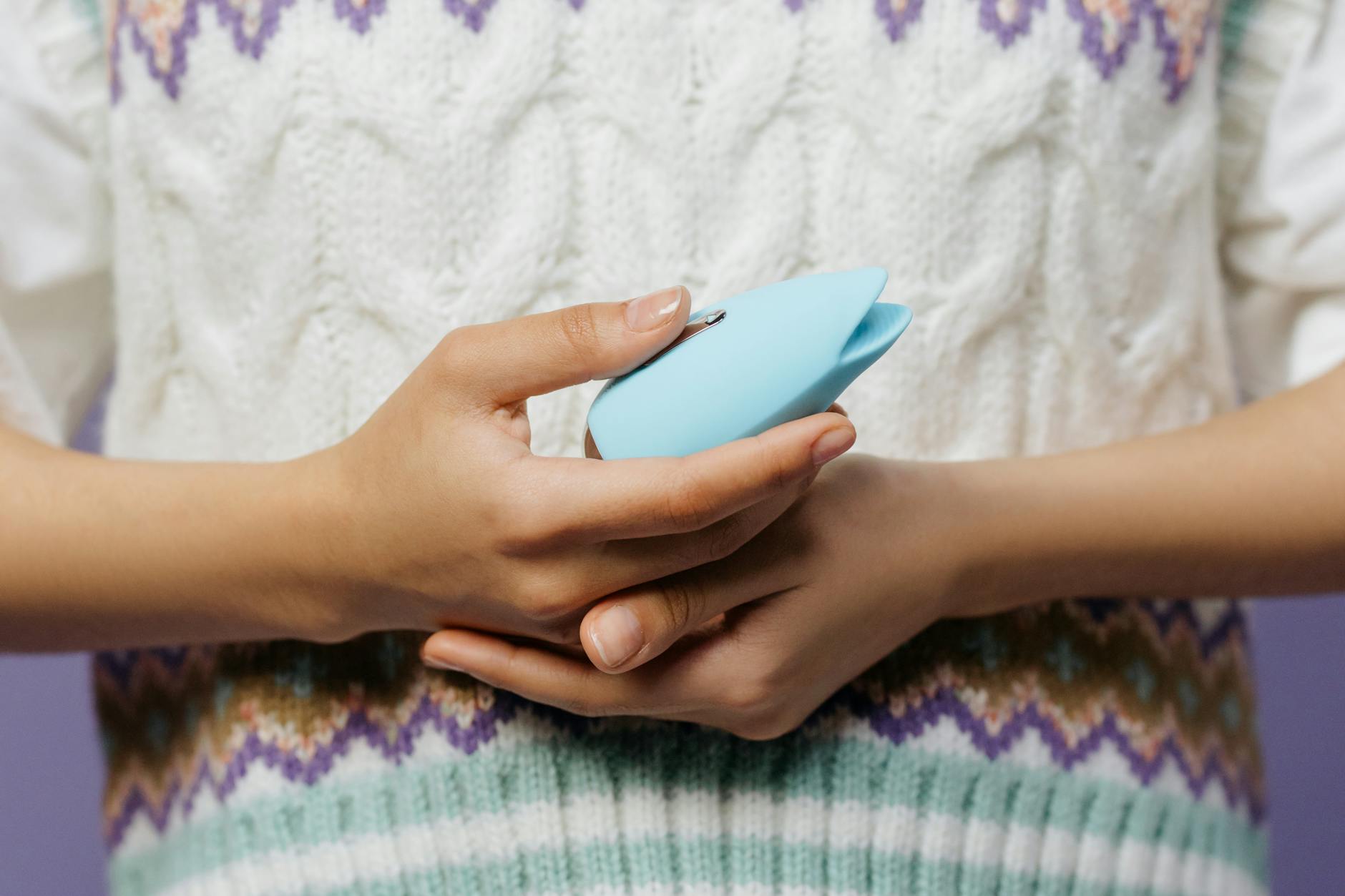
The Lem clitoral vibrator uses air-pulse suction technology, which means it creates rhythmic, gentle waves of pressure rather than buzz. For people with textured or scarred tissue, this often feels more accessible because you're not relying on the tissue being perfectly smooth or having standard sensitivity patterns. The suction adapts to the shape and texture of your body.
Many of my clients with scarring report that their first experience with a lemon sucker vibrator is the first time in years they've felt genuinely pleasurable sensation in those areas. That's not coincidence. It's different neurological input finding a different pathway.
Starting low is non-negotiable with scarred tissue. Not because you're fragile, but because you need to map out your own sensitivity patterns first.
Begin at pattern level 1 or 2 on a lemon vibrator. This gives you gentle suction without intensity. Spend 10-15 minutes at this level, noticing what you feel. You're not trying to orgasm. You're gathering information about where sensation lives in your body right now.
You might notice that some areas feel numb, some feel intense, some feel weirdly ticklish. All of that's data. Once you've spent time at the lowest levels, gradually increase to pattern 3 or 4 if the sensation feels good. Many people with significant scarring find their sweet spot lives in patterns 2-4 and never go higher. That's completely fine.
If any sensation feels sharp or actually painful (not intense-but-good, but sharp-and-wrong), stop and move to a different spot. Scarred tissue can have adhesions or trigger points. Your job is to find the areas where pleasure lives, not to push through discomfort.
Lubricant helps, even with suction-based stimulation. Water-based lube reduces friction and helps the seal of the suction sit more comfortably on your skin. It's not because anything is wrong with you. It's just practical physics.
Scars often come with a story. Surgery. Trauma. Childbirth. Injury. Whatever created the scarring probably also created some feelings about your body.
Many people with scarred tissue report feeling disconnected from their genitals, grieving the way their body used to feel, or carrying shame about the scar itself. Pleasure with scarring isn't just a physiological problem. It's also an emotional one.
The reconnection process is slower than plugging in a vibrator and expecting immediate results. You're asking your brain to reorganize its relationship with a part of your body that's been through something. That takes time.
Start solo. No pressure to perform or reach an outcome. The goal is sensation, not orgasm. Notice what feels good, what feels neutral, what feels uncomfortable. You're rebuilding a map of your own pleasure, and that map looks different now than it did before. That's not worse. It's just different.
If you're working with a partner, be specific about what you need. "Scarring means I need gentler pressure" or "I can't do direct vibration anymore" gives your partner actionable information. The worst possible conversation is vague frustration that sounds like rejection. The best conversation is clinical honesty: here's what my body can do now, and here's what I'd like to explore together.
If scarring is causing actual pain during sex or self-pleasure, get it checked. Sometimes scarring creates adhesions (tissue that's stuck to surrounding tissue) that genuinely need physical therapy or medical intervention. A pelvic floor physical therapist trained in scar tissue work can often make a dramatic difference.
If numbness is severe or progressive, mention it to your doctor. Some causes of scarring have underlying conditions worth addressing.
If pleasure is completely absent and you've given it three months of regular, patient exploration with a tool like the Lem, consider talking to a sex therapist who specializes in medical trauma or post-surgical recovery. Sometimes the block is psychological, sometimes it's physiological, and sometimes it's both. Professional support helps you sort it out.
Here's something that shifts how you approach this whole thing: your nervous system can reorganize. It's called neuroplasticity.
When you consistently experience safe, pleasurable sensation in an area that's been numb or painful, your brain starts rewiring the neural pathways associated with that area. This doesn't happen overnight. It takes weeks or months of repeated positive sensation. But it absolutely happens.
This is why patience matters. Every time you use a tool like the Lem and experience genuine pleasure (not forcing it, just genuine sensation), you're sending your nervous system a message: this area is capable of pleasure. Do that enough times, and your brain believes it.
Many people with scarring report that their range of sensation expands over time. Areas that felt completely numb start registering feeling. Sensation that felt painful starts feeling intense-in-a-good-way. The timeline varies wildly, but the direction is often toward more sensation, not less.
Your scar was created by something. Surgery to address a health problem. Childbirth. An accident. Trauma. That thing changed your body. And now pleasure requires a different approach.
This is not failure. This is adaptation. Your body is still capable of pleasure. The pathway just looks different. That's actually kind of remarkable when you think about it.
Give yourself time. Be patient with sensations that don't match what you remember. Try different tools and intensities without shame. Scarring is common, and people absolutely rebuild pleasure after it. The Lem clitoral vibrator offers a different kind of stimulation than traditional vibrators, which is exactly what many people with textured or scarred tissue need.
Yes, but it might not feel great. Traditional vibrators rely on rapid surface vibration, which can feel uncomfortable on scarred tissue because it has altered sensitivity and less elasticity. Suction-based lemon vibrators often work better because they engage deeper nerve pathways without requiring repeated friction. That said, everyone's scar is different. Experiment and notice what feels good for your body.
It varies. Some people notice improvement in 4-6 weeks of regular exploration. Others take several months. Neuroplasticity (your brain rewiring nerve pathways) is the mechanism at work, and it's individual. Consistency matters more than speed. Regular, patient stimulation at the right intensity often leads to expansion of sensation over time.
Completely normal. Scarring reorganizes nerve endings. Some areas lose nerve density, others have clustered nerve endings from the reorganization process. This patchwork sensitivity is really common after childbirth, surgery, or injury. You're mapping your own unique sensitivity landscape.
Yes. Water-based lubricant helps the suction seal sit comfortably on your skin and reduces any friction. It's not about being broken or having something wrong with you. It's practical. Lube makes the whole experience more comfortable and helps you focus on sensation rather than discomfort.
It can change how orgasm feels, but it doesn't typically eliminate the capacity for it. Orgasm is neurological, not just physical. When nerve pathways reorganize due to scarring, the sensation of orgasm might feel different (more subtle, or concentrated in different areas). With the right stimulation and patient exploration, most people with scarring can rebuild orgasmic capacity. The orgasm might look different than it used to, and that's not worse, just different.
Talk to a professional. Sometimes there's a physiological component (adhesions, underlying conditions) that needs medical attention. Sometimes it's psychological (trauma, grief about body changes) that benefits from therapy. And sometimes it's a combination. A sex therapist or pelvic floor physical therapist trained in scar tissue work can help you identify what's going on and what might help.
Scarring changes sensation. It doesn't end pleasure. The lemon clitoral vibrator, with its suction technology, offers a different kind of stimulation that often works beautifully for textured or scarred tissue. Your job is patience, experimentation, and radical self-compassion. Your body is still capable of extraordinary sensation. The pathway just looks different now. And that's okay.
If you're struggling to rebuild pleasure after scarring and want support navigating the emotional piece of it, reach out. Connection, pleasure, and your relationship with your own body matter.