Let's start with what nobody tells you
When erectile dysfunction shows up in a relationship, the first casualty isn't sex. It's confidence. Both of you suddenly become hyperaware of one thing, which means you can't relax into anything else. The pressure mounts. The avoidance spreads. And what was one isolated physical change becomes a relational minefield.
But here's what I've observed with hundreds of couples: ED doesn't require you to stop having good sex. It requires you to stop having the same sex.
That's not a limitation. That's actually freedom.
What erectile dysfunction actually changes (and doesn't)
Let's be clinical for a moment. Erectile dysfunction is a vascular or neurological response—the penis doesn't achieve or maintain rigidity the way it used to. That's real. It's also incredibly common. About 30 million men in the US experience it, and the numbers climb with age, stress, medication changes, or health shifts.
Here's what doesn't change: your partner's capacity to be intimate. Their ability to touch you. Your ability to orgasm. Your desire for each other.
The trap is that most couples unconsciously define "real sex" as penetration. So when penetration becomes unreliable or difficult, they assume sex becomes impossible. Couples then withdraw from physical intimacy altogether, which tanks desire, increases resentment, and makes everything worse.
Then the shame cycle kicks in. He feels broken. You feel rejected. Neither of you mentions it. The bedroom becomes a place you avoid.
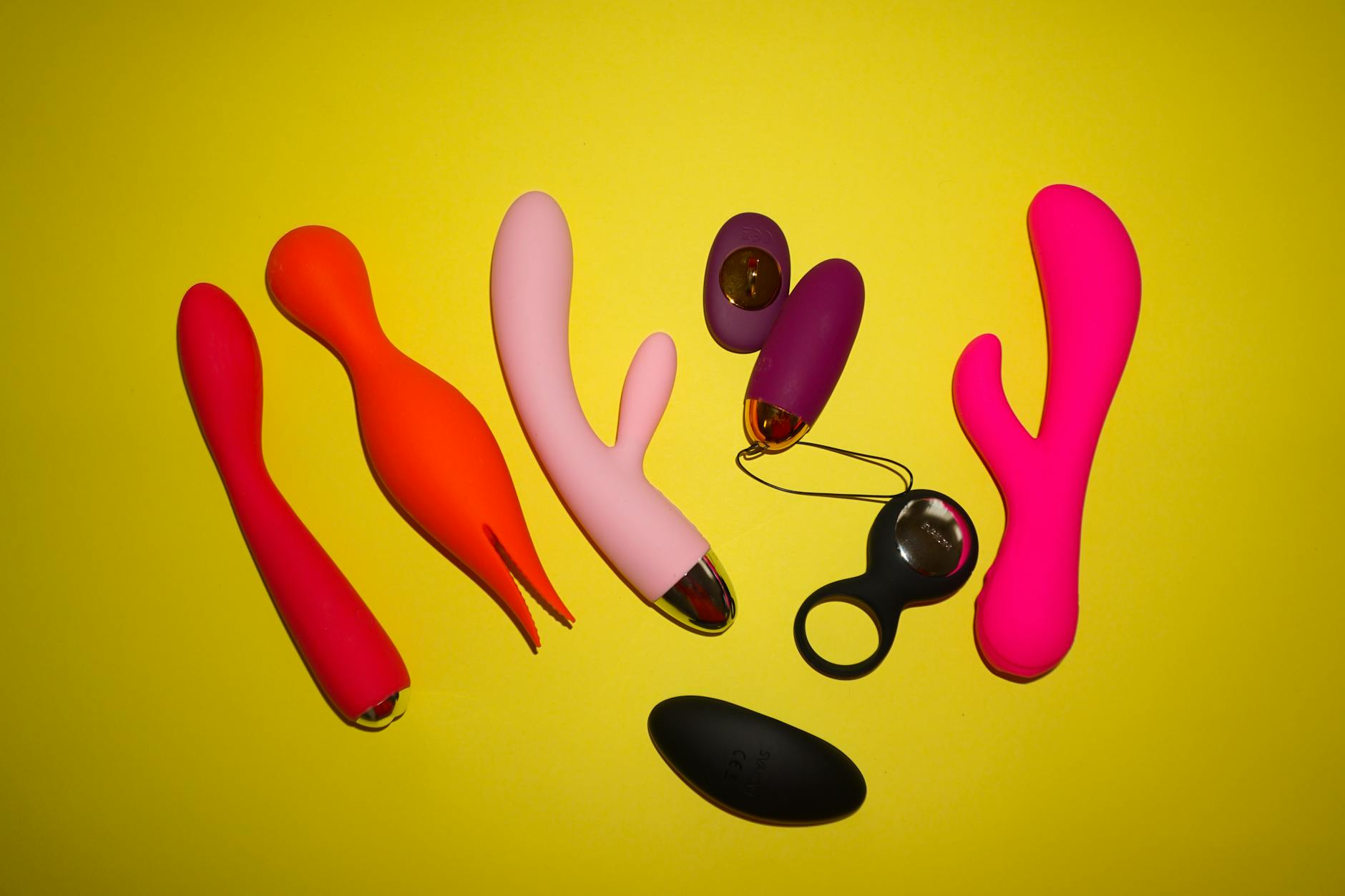
Lemon clitoral vibrators interrupt that spiral at the root. They're not a workaround. They're a redirect toward what actually feels good.
Why focus shifts to clitoral pleasure
Most penis-having partners don't climax from penetration alone. Studies suggest only about 25 percent do. The rest need direct clitoral stimulation to orgasm. We've built an entire sexual culture around penetration, which means we've structured sex in a way that doesn't reliably get most people to climax.
When ED arrives, you get permission to fix that problem.
Instead of "Can you get hard enough?" the question becomes "What actually makes you feel good?" Instead of both of you fixating on one thing that isn't working, you're exploring what does.
Lemon clitoral vibrators do this more effectively than fingers or other toys because of their design. Air-suction technology stimulates the entire clitoral network—not just the external glans, but the internal branches and deeper tissue. The sensation is more complex, more enveloping. For people used to months or years of performance-focused sex with minimal actual pleasure, that shift feels radically different.
How to introduce this without awkwardness
The conversation matters more than the toy. You're not saying, "Your penis isn't working, so let's buy this." That lands like an insult. You're saying something closer to: "I want us to focus on what actually makes me feel good. I've been thinking about trying something."
That's it. That's the entire conversation.
Then you buy a lemon vibrator. (The Lem itself is iconic enough that ordering it online feels less clinical than some other options.) You show up with it. You ask if he wants to be part of this, and whether he says yes or prefers to step back for this part, that's okay.
The goal isn't to force his participation. The goal is to reclaim pleasure as something that belongs to both of you, even if one of you is managing ED.
Many partners report that watching their partner experience intense pleasure without the pressure of their own performance is actually incredibly erotic. The shame lifts. Desire returns.
Three ways lemon vibrators rebuild connection after ED
They make pleasure visible. When you're using a clitoral vibrator, your partner can see what makes you respond. Orgasm becomes observable, which means he's not left guessing whether you're actually satisfied. He can watch arousal, intensity, and climax. That feedback loop is intimate in a totally different way than penetrative sex.
They remove the penetration-or-nothing script. Most couples with ED eventually try Viagra or other medications. Sometimes those work. Sometimes they don't, or the side effects are rough. Even when they work, they create a new pressure: "Well, it's working now, so we should definitely have sex." A lemon vibrator doesn't depend on any of that. It works regardless of what's happening with his body. That removes the conditional element from intimacy.
They make pleasure a skill, not a gamble. You learn what patterns, speeds, and pressures work for you. Your partner sees that learning happen. Sex becomes something you're doing together toward a known outcome, rather than something that might or might not work. That's genuinely calming for both people.
The frequency question (and why it matters)
Here's something couples rarely discuss: how often you have sex after ED usually decreases dramatically. The avoidance thing. So when you reintroduce pleasure with a lemon vibrator, it's often more frequent than penetrative sex ever was, because there's zero performance anxiety attached.
That matters for your nervous system. Regular pleasure, even if it's different than before, is deeply grounding. It tells your brain that your body is still desirable. That you're still intimate. That this relationship still has sensuality in it.
Start with once a week if that feels manageable. Build from there. The timeline is yours.
When his discomfort shows up (and what to do)
Some partners resist this. Not because they're unsupportive, but because watching you use a vibrator can trigger their own insecurity. "She needed that because of me. That's my job." It's understandable. It's also not true.
The reframe: this is about expanding pleasure, not replacing him. You can use a lemon vibrator with him inside you. You can use it while he watches and touches other parts of your body. You can use it solo while he's present. The point is integration, not substitution.
If he's still struggling, therapy is worth considering. Not because something's wrong with him, but because ED carries emotional weight that usually needs space to process. A good therapist or sex counselor can help him separate his penis function from his self-worth.
When to see someone professional
If ED is sudden or severe, a doctor is the first step. It can signal cardiovascular issues, hormonal imbalances, or medication interactions that need attention. If it's been ongoing and he's struggled emotionally with it, a therapist trained in sexual health is valuable.
A couples therapist matters if ED has created relational distance that feels hard to bridge on your own. You're not broken. You're just navigating something most people don't talk about, which makes it harder to know what normal looks like.
Lemon clitoral vibrators aren't a medical intervention. They're a tool for rebuilding pleasure and connection when the old script stops working. Sometimes the best sex comes after you realize that the script was wrong to begin with.
FAQ: Lemon Vibrators and Erectile Dysfunction
Can I use a lemon vibrator while my partner is inside me?
Yes. Many couples find that dual stimulation—penetration plus clitoral vibration—feels more intense and satisfying than either alone. It also takes pressure off him to be the sole source of your pleasure. Start with lower suction settings so nothing feels overwhelming.
Will using a vibrator make ED worse?
No. ED is a vascular or neurological issue, not a behavioral one. Using a vibrator won't cause or worsen it. What often happens is that couples become less anxious about sex overall, which can actually improve erectile function over time because the pressure decreases.
What if my partner feels emasculated by this?
That's a real feeling, even though it's not logically true. His worth isn't tied to his penis function. Therapy can help him separate the two. In the meantime, reassurance, patience, and framing the vibrator as a tool you're both using to feel good together (not a replacement) helps.
How do I know if he's actually okay with this or just pretending?
Watch for his body language, not just his words. Is he engaged when you're using it? Does he ask questions? Does he touch you while you're using it? Those are signs he's genuinely present. If he goes silent or withdrawn, that's a conversation worth having: "I notice you seem hesitant. What's coming up for you?"
Is there a difference between a lemon vibrator and other clitoral toys?
Yes. Air-suction technology like the Lem creates a gentle, enveloping sensation rather than direct vibration. For couples managing ED, that difference matters because it creates a unique experience that feels separate from what you might be missing with penetration. It's not a replacement. It's genuinely different.
How do I bring this up if we haven't talked about toys before?
Start with curiosity, not criticism. "I read something about how couples rebuild pleasure after ED, and it made me think about us." or "I want to focus on what actually makes me feel good. Want to explore this together?" Don't make it about him or his dysfunction. Make it about you and what you want.