Let's be real about what SSRIs actually do to pleasure
Anxiety medication saved your mental health. It also flattened your orgasms. Both things are true, and pretending otherwise doesn't help anyone. SSRIs and SNRIs suppress serotonin reuptake, which is great for your nervous system but genuinely awful for sensation. Arousal takes forever, orgasms feel distant or impossible, and the whole system just feels... dampened.
Here's the part nobody warns you about before starting: sexual side effects happen in roughly 40-60% of people taking SSRIs, and most people don't connect the two things for months. They think their libido is gone. They think their body is broken. They think their relationship is dying. Then someone mentions the meds, and suddenly everything clicks.
What's actually happening neurologically
Serotonin is one of the neurotransmitters that tells your brain "yes, this feels good." SSRIs keep serotonin hanging around longer in your synapses, which is why they quiet anxiety. But dopamine and norepinephrine drive arousal and orgasm. When SSRIs mess with the broader serotonin ecosystem, they often dampen dopamine signaling too. That's why your body feels numb to stimulation.
It's not that pleasure is gone. It's that the signal is weaker. Your clitoris has all the same nerve endings it always did. Your brain can still have orgasms. The pathway between them is just sluggish.
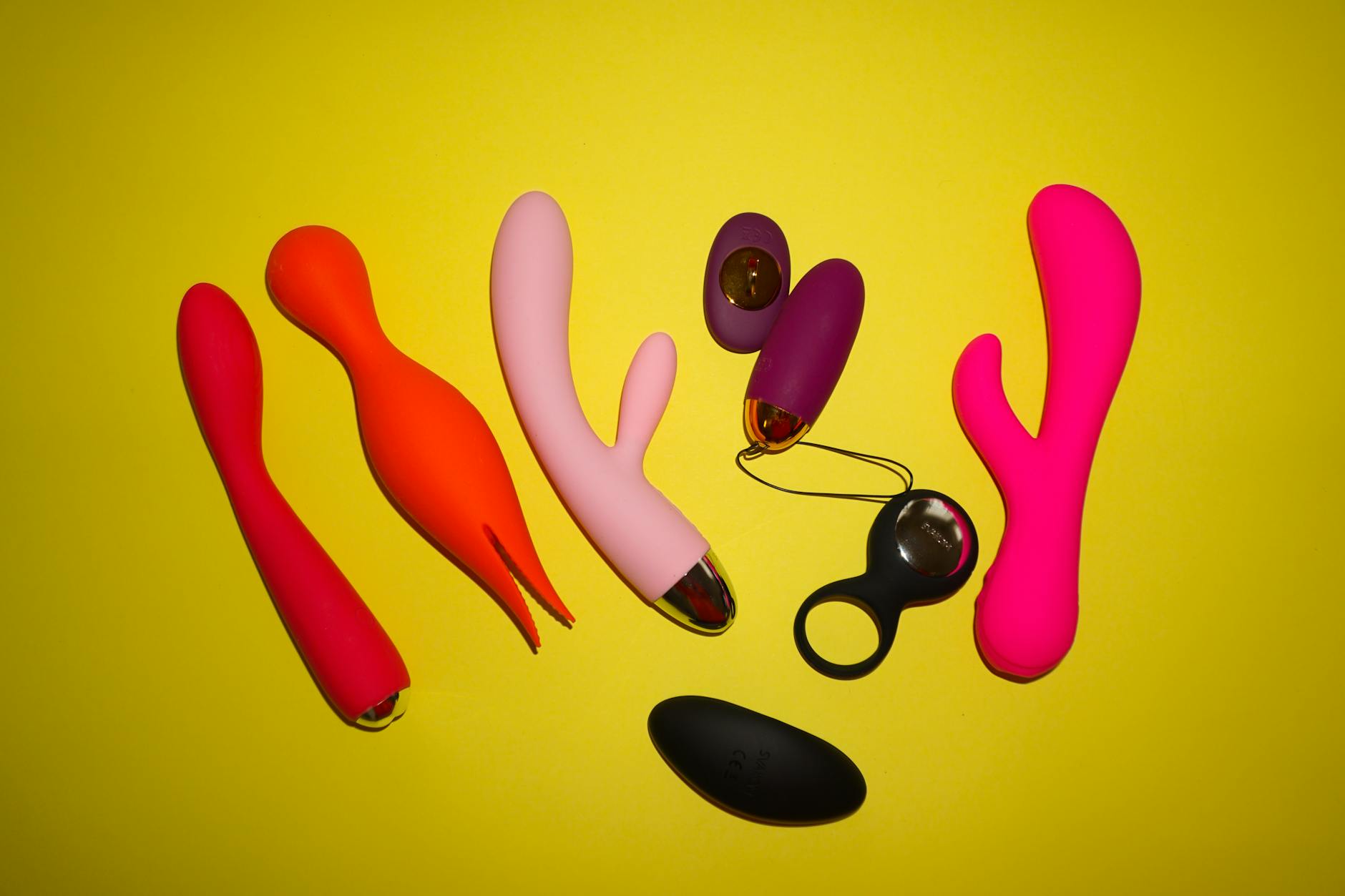
One thing that doesn't change: your capacity for pleasure with the right stimulus intensity. A lemon vibrator's air-suction pattern creates a completely different kind of stimulation than your hand or a partner alone. It doesn't rely on the dopamine/norepinephrine system the same way. It works by triggering nerves directly. For people on SSRIs, this matters enormously.
Why lemon sexual toys are different when you're on anxiety meds
Most vibrators rely on vibration frequency to build arousal. Your brain has to register tiny movements and translate them into pleasure signals. When serotonin is suppressed, that translation gets slower and weaker.
A lemon clitoral vibrator works differently. Pulsing suction and gentle pressure stimulate nerve clusters directly, bypassing some of the neurochemical middlemen. It's why so many people on SSRIs find that traditional vibration does almost nothing, but a lemon vibrator finally creates sensation they can actually feel.
That said, even a lemon vibrator won't feel magical if your medication side effects are severe. But it gives you something to actually work with. It's the difference between pushing a boulder uphill and rolling it downhill.
The rebuild strategy that actually works
Here's what I tell people when they're coming back to pleasure after SSRIs have flattened things:
Start low and slow. If you've been numb for months, your body's arousal system needs time to wake up. Use your lemon vibrator on the lowest setting for 10-15 minutes before expecting any sensation. Patience is not optional here.
Pair it with solo exploration, not performance. The pressure to orgasm while on SSRIs makes everything worse. Take the pressure off entirely. Use your lemon vibrator as a way to reconnect with what your body can still feel, not as a tool to "achieve" anything.
Add texture and temperature changes. If suction alone isn't enough, try using your lemon vibrator over different fabrics, or let it warm up naturally to body temperature before you use it. Small variations wake up sensation in ways repetition doesn't.
Give it at least two weeks of consistent use. Your nervous system has been suppressed. It takes time for sensation to return. People often quit after three days because they're not immediately overwhelmed with feeling. That's not how this works.
When to talk to your doctor about switching medications
If sexual side effects are severe enough that they're affecting your relationship or your sense of self, it's worth a conversation with whoever prescribed your SSRI. You have real options that don't involve stopping the med that's working for your anxiety.
Some people find that switching to a different SSRI helps. Bupropion, for example, is an antidepressant that actually increases dopamine and often improves sexual function rather than suppressing it. Some doctors add a medication like buspirone specifically to counteract sexual side effects. Others adjust timing so you take your SSRI at night and it has a slightly different effect by morning.
None of these conversations should feel embarrassing. Sexual function is part of your overall health. A good psychiatrist or GP will take it seriously.
The honest timeline for getting sensation back
Like many people rebuilding after anxiety medication, you're looking at weeks, not days. Some sensation comes back after two or three weeks of consistent stimulation. Real arousal and easier orgasms take longer, sometimes two to three months. Your nervous system didn't become numb overnight, and it won't wake up overnight either.
One thing that helps tremendously: using a lemon vibrator isn't just mechanical. It's also a ritual that tells your nervous system, "We're allowed to feel pleasure again." That psychological permission matters more than people think.
When pleasure rebuilding needs more support
If you're using lemon adult toys consistently and sensation still isn't returning after six weeks, that's worth mentioning to your doctor. Sometimes the SSRI dose needs adjusting. Sometimes there's a secondary thing going on, like low testosterone or pelvic floor tension, that's also dampening sensation. A good clinician will help you figure out what's actually happening instead of just assuming it's the meds.
Also worth knowing: many people find that rebuilding pleasure is easier with a partner who knows what's happening and is patient. If you're single, there's no urgency to add that layer of complexity. Solo exploration with a lemon vibrator is genuinely enough. If you're partnered, a conversation about timing and expectations can make the whole process less stressful.
What to expect after sensation starts coming back
This is the part people don't anticipate: when pleasure starts returning, it might feel different than it did before the medication. Some people report more localized, intense sensation. Others describe a kind of clarity where they can feel distinct nerve pathways lighting up. A few say that rebuilding pleasure after SSRIs actually gave them better understanding of what their body needs.
Lemon clitoral vibrators tend to feel particularly intense in this phase, because they're creating such distinct sensation after months of numbness. You might find that you prefer lower settings now, or that you need longer warm-up time. That's normal. Your body is relearning.
The goal isn't to get back to exactly what you felt before. It's to feel something real, something that's yours, something that proves your nervous system is waking up. That's already a win.
Frequently asked questions
Can I use a lemon vibrator safely if I'm still on my anxiety medication?
Yes, absolutely. Using a lemon sexual toy won't interact with SSRIs or any other anxiety medication. The vibration itself is just mechanical stimulation. That said, if you're experiencing severe numbness or anhedonia (inability to feel pleasure in anything), that's worth mentioning to your doctor separately. Sometimes it signals that your medication dose needs adjusting.
How long does it take for SSRIs to stop affecting sexual function if I switch medications?
It depends on the specific med and your body, but most people notice improvement in sexual function within two to four weeks of switching to a medication with fewer sexual side effects, like bupropion. Some notice changes even faster. Your doctor can give you a better timeline based on which medication you're switching to.
Should I tell my partner that I'm using a lemon vibrator to rebuild sensation after medication?
That's your call, but I'd suggest yes. Not because you need permission, but because rebuilding pleasure is easier when your partner understands what's happening. A lemon clitoral vibrator isn't a replacement for them. It's a tool for you to reconnect with your own sensation, which ultimately helps partnered sex too. A partner who gets that is worth having in the conversation.
Can lemon vibrators help with sexual side effects from other medications, like antipsychotics or blood pressure meds?
Likely, yes. Any medication that dampens dopamine or norepinephrine can suppress sexual function. A lemon vibrator's direct nerve stimulation often helps regardless of which medication is causing the problem. That said, different medications have different mechanisms, so the timeline and intensity of rebuilding might vary.
What if using a lemon vibrator doesn't help after six weeks?
That's time to loop your prescriber back in. Sometimes the medication dose needs adjusting, or you need to switch meds entirely. Sometimes there's an underlying hormonal issue or pelvic floor tension making things worse. A good clinician can help you troubleshoot. Don't just assume you're broken and resign yourself to numb sex forever.
Is it normal to feel emotional or vulnerable when sensation comes back after being numb for months?
Completely normal. Your body is reconnecting with feeling after a long period of disconnection. That can bring up grief about the time you lost, gratitude that things are changing, or even just weird vulnerability around your body again. If those feelings are intense, a therapist who understands medication side effects can help you process.
The bottom line
SSRI sexual side effects are real and they suck. They're also not permanent, and they're not a sign that you should suffer through numbness to keep taking a medication that helps your mental health. Better options exist. A lemon vibrator won't solve everything on its own, but it can be the concrete, physical proof that pleasure is still possible. It's a way to wake up your nervous system without waiting months for things to shift. And sometimes, that permission to feel something real again is exactly what rebuilding pleasure needs.