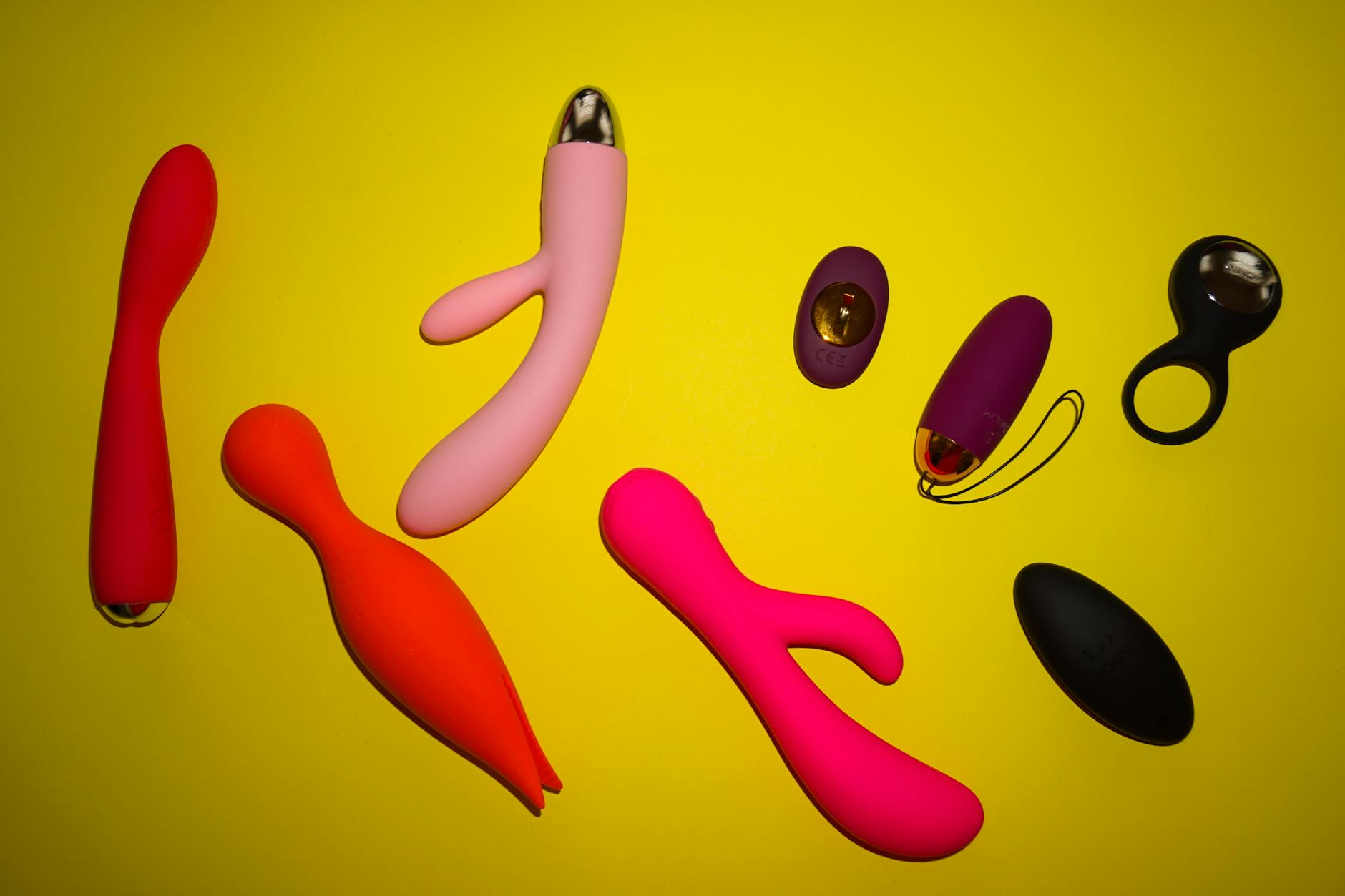
How Lemon Vibrators Help When Sex Feels Numb After Long-Term Stress
Chronic stress disconnects you from pleasure. Here's how clitoral vibrators can rewaken sensation and rebuild desire when numbness has become your normal.
You've been under pressure for months. Maybe years. Your body has learned to survive by shutting down non-essential systems, and right now, sexual pleasure is definitely reading as non-essential. You go through the motions with a partner, or you avoid sex altogether because it feels like work. Nothing feels good the way it used to. That's not a personal failure. That's your nervous system doing exactly what it's designed to do under threat.
Chronic stress rewires how your brain processes pleasure. It's not that your body is broken. Your whole system has recalibrated around survival, not sensation.
Here's the neurobiology. When you're chronically stressed, your cortisol and adrenaline stay elevated. Your parasympathetic nervous system, the one that handles rest and pleasure, essentially goes dormant. Your brain deprioritizes signal detection in your genitals because it's too busy running threat assessments.
This means three things happen simultaneously:
1. Reduced blood flow to the clitoris and vulva. Without parasympathetic activation, your body doesn't redirect blood to sensitive tissues during arousal. Even direct touch might feel muted or distant.
2. Blunted nerve sensitivity. Under stress, your body dampens sensory input as a survival mechanism. Pain awareness stays high (threat detection), but pleasure signals get filtered out.
3. Disconnection from interoception. You stop noticing what your body is feeling. You might touch yourself and think nothing, not because the nerves are dead, but because your brain isn't registering the signal.
The cruel part is that stress-induced numbness often feeds the stress. You feel disconnected from pleasure, so you feel broken or unattractive, which increases cortisol, which increases numbness. The cycle deepens.
Lemon vibrators, including The Lem, work on a different principle than you might think. They don't force sensation into a numb body. Instead, they create a stimulation pattern strong enough to bypass the brain's current filtering threshold.
Under chronic stress, your nervous system needs permission to shift gears. A vibrator does something that gentle touch often can't: it creates a sustained, rhythmic signal that's hard for your stressed-out brain to ignore. The suction pattern of clitoral vibrators like The Lem is especially effective because it stimulates multiple nerve pathways simultaneously. Your brain has to register it.
There's also a timing element. When you're stressed, arousal takes longer because your parasympathetic system needs time to activate. A lemon clitoral vibrator lets you bypass some of that dead time by providing stimulation while your nervous system wakes up. Many people report that they start feeling numb, then after 3-5 minutes with The Lem, sensation returns. The vibration is essentially reminding your body that pleasure is still possible.
If you've been numb for months or longer, don't expect sensation to flood back in one session. Rebuilding takes repetition because you're teaching your nervous system that it's safe to register pleasure again.
Here's the pattern I recommend to clients:
Week 1-2: Solo exploration, no pressure. Use your lemon vibrator for 10-15 minutes every other day, focusing on sensation rather than orgasm. Start at pattern 1 or 2. Notice what you feel, even if it's subtle. The goal is to wake up sensory awareness, not chase an outcome.
Week 3-4: Extend the window. Move to 15-20 minutes, same frequency. You might notice that the first 5 minutes feel numb, then sensation kicks in. That's normal. You're essentially giving your nervous system permission to shift into parasympathetic mode.
Week 5+: Add intention. Once sensation returns consistently, you can pair the vibrator with other elements like breathing, music, or mental focus. But only after your body remembers what pleasure feels like.
The key is consistency without performance pressure. You're not trying to have an orgasm. You're trying to rewire the connection between your nerves and your brain.
If you have a partner, they might feel rejected or confused by your numbness. Long-term stress doesn't just affect you. It affects the relationship because they can sense your disconnection even if you're having sex.
Here's what helps: separating the conversation about sensation from the conversation about connection. "I'm working on waking up my body because I've been stressed for a long time" is different from "I'm not attracted to you." The first is about your nervous system. The second is about the relationship. Mixing them creates confusion and shame.
If you're comfortable, bring your partner into the process. Not as a performer, but as a collaborator. Some couples find that using a lemon vibrator together, with the partner simply present and attentive, helps rebuild both sensation and emotional intimacy. You're showing your partner what you need. They're witnessing the process. That's connecting.
If you've been stressed and also dealing with depression, medication side effects, or trauma, numbness might have multiple layers. The vibrator helps with the stress-related piece, but it won't solve everything alone.
A few things to check: If you're on SSRIs, certain antidepressants, or anxiety medications, they can contribute to sexual numbness independent of stress. Work with your prescriber on that. If you've experienced trauma, touching yourself might feel unsafe in ways that no vibrator can fix on its own. Consider working with a trauma-informed therapist alongside using tools like The Lem.
And if your numbness coincides with hormonal shifts, like post-pill or perimenopausal changes, the pattern might be different. Stress amplifies those shifts, but they're not caused by stress alone.
The Lem works best when numbness is primarily stress-driven. When it's multi-layered, the vibrator is a helpful part of the toolkit, not the whole solution.
Most people don't suddenly feel everything again. Sensation usually returns in stages. First, you notice the vibration itself. Then, after a few sessions, you notice tingling or mild warmth. After a week or two of consistent use, you notice that arousal builds differently than it used to. You're not looking for a lightning bolt. You're looking for a subtle shift in what you can feel.
Orgasm might not return immediately, and that's fine. Sensation and orgasm aren't the same thing. You can feel sensation without coming. In fact, rebuilding sensation first, then adding orgasm later, tends to be more sustainable. Your nervous system gets to learn that pleasure is safe in small doses before it's expecting big releases.
Many of my clients report that after 4-6 weeks of consistent use, sex starts to feel present again. Not necessarily perfect or intense, but present. You're actually in your body instead of watching yourself from outside it. That's the shift that matters.
It varies widely, but most people notice meaningful shifts within 2-4 weeks of consistent use. Your nervous system is rewiring, not healing a broken part. Consistency matters more than intensity. If you've been numb for years, budget 6-12 weeks for full sensation to return, especially if stress is still present in your life.
Yes. Start at the lowest setting and just explore. You might not feel much in session one or two, and that's expected. The goal is to create a signal your brain can eventually register. Keep going. After a few sessions, your nervous system usually starts to respond.
Both work. Solo exploration gives you privacy and the ability to focus inward. Partner involvement can rebuild emotional intimacy and help them understand what you need. Some people do solo sessions early on, then bring a partner in later. There's no wrong choice, just different benefits.
Check three things. First, are you truly giving yourself parasympathetic time? If you're using the vibrator while stressed or distracted, it won't help. Second, are you on medication that dampens sensation? Talk to your prescriber. Third, is there trauma or safety concern that's keeping you numb beyond stress? That's therapy work, not vibrator work.
No. The opposite is often true. Once your nervous system remembers what sensation feels like with a vibrator, you're more able to feel it with a partner. A vibrator is a reset tool, not a replacement.
Start now. You don't need stress to disappear to begin rewaking sensation. In fact, having one area of your life where you're rebuilding pleasure while managing stress can actually help your overall resilience. Just don't expect the process to be faster if external stressors are still high.
Numbness after chronic stress isn't a character flaw or a sign that your body has given up on pleasure permanently. It's a protective mechanism that's now outlived its usefulness. Your nervous system learned to survive hard times by going quiet. The Lem, and other clitoral vibrators, remind your body that it's safe to feel again.
The process takes patience. You're not forcing sensation back. You're inviting it home slowly. Some weeks will feel like progress. Some weeks will feel flat. That's normal. Rewiring happens in layers, not in breakthroughs.
If pleasure has been somewhere you couldn't reach for a long time, that distance can shorten. Not overnight. But with consistent attention and the right tools, sensation does return. Your body hasn't forgotten how to feel. It's just been protecting itself. Time to let it know the emergency is over.