Here's what nobody tells you upfront
Arousal isn't a light switch. For some people, at some times in their lives, it's an actual dimmer. And somewhere around 35, 40, or 45, the dial often moves slower than it used to. This isn't a sign that something's wrong. It's a sign that your body has changed, and if you keep using a strategy designed for the old version, you'll get frustrated instead of turned on.
The good news: once you understand what's actually happening physiologically, the fix is straightforward. And lemon vibrators, with their particular design, turn out to be wildly useful for exactly this situation.
Why arousal actually takes longer now
There are three main culprits, and they often pile up together.
First, blood flow to the genitals isn't instant anymore. Arousal relies on vasocongestion.that's blood rushing to the vulva, the clitoris, the vaginal tissues. When you're 25, that happens in seconds. When you're older, or stressed, or not entirely present, it takes 10, 15, sometimes 20 minutes. That's not dysfunction. That's just biology shifting.
Second, your nervous system is busier. You've got work anxieties, family stuff, a to-do list that lives in your head. Arousal requires your parasympathetic nervous system to kick in.the "rest and digest" mode. Your sympathetic system (fight or flight) has to chill out first. That hand-off takes time, especially if you're used to compartmentalizing stress.
Third, hormonal changes affect sensitivity and response speed. This isn't just about menopause, though that's a major factor. Medications, birth control, thyroid issues, and general life stress all influence how quickly your body responds to stimulation.
None of this means you've lost your capacity for pleasure. It means the pathway got longer.
The timing trap most people fall into
Here's where things go sideways: people who used to get aroused in five minutes often try to replicate that pace now. They put themselves on a timer (even unconsciously). "Why isn't this working?" becomes the narrative. Anxiety shows up. And anxiety kills arousal faster than anything.
What actually works is accepting the timeline and adjusting your approach to match it. You're not broken. You're just operating on a different schedule now.
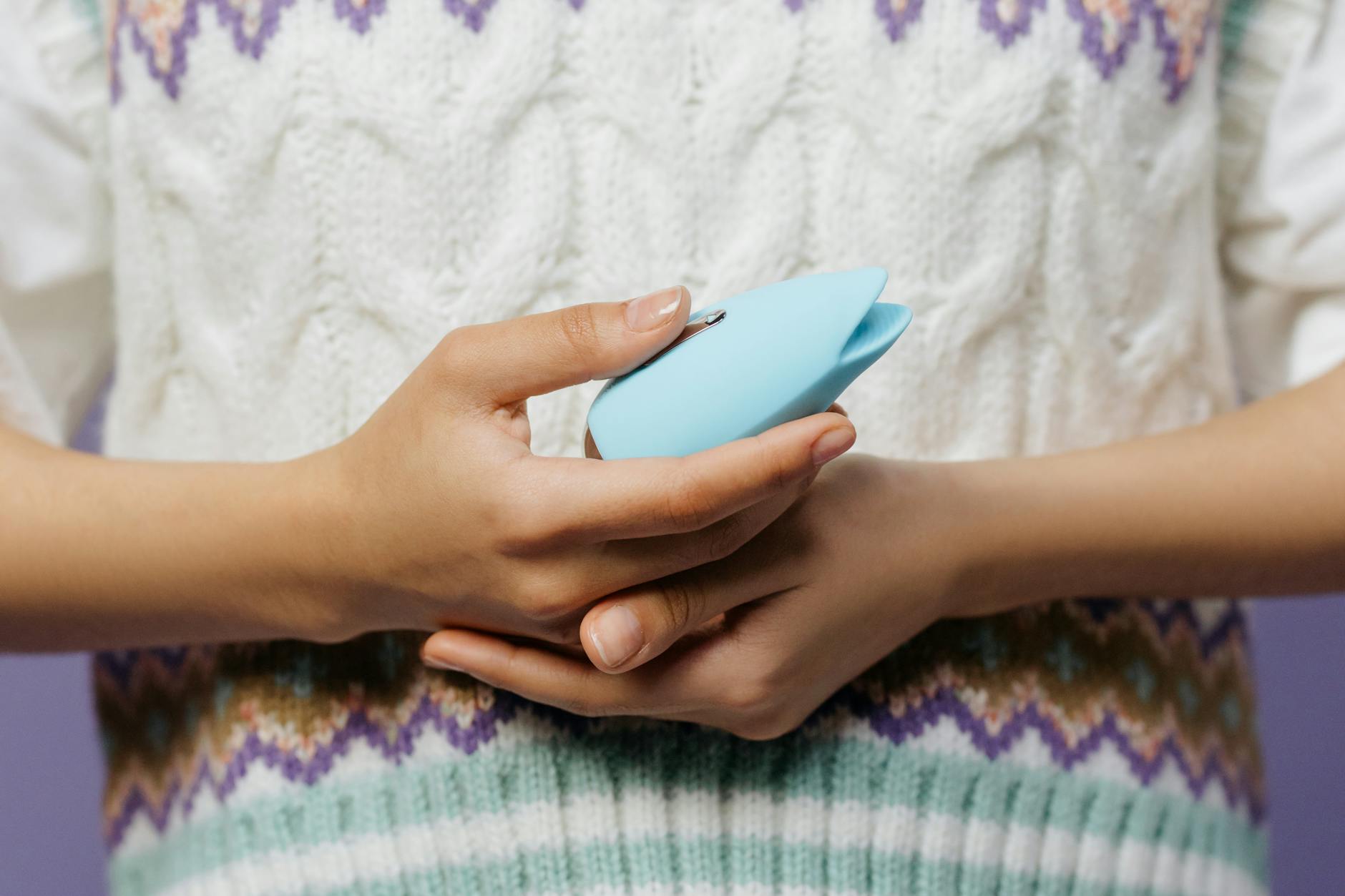
One reason lemon vibrators help here is that they're designed to build sensation gradually. Unlike traditional vibrators that go from 0 to 100, lemon clitoral vibrators use a suction pattern that feels gentler on the way in, allowing your body to warm up without overstimulation. The lower intensity settings give your nervous system time to settle while your blood vessels slowly engorge. You're not fighting against slow arousal. You're working with it.
What "taking longer" actually looks like
Slow arousal doesn't feel like nothing. It feels like a subtle shift. Slight warmth. A gentle pulse of interest. For a lot of people, the confusion comes because they're waiting for the old feeling.the suddenly insistent desire they used to get. That might not show up the same way anymore, and that's okay.
What you're looking for instead: any sign that your body is responding. A shift in your breathing. Lubrication (even a tiny bit). A slight flush. A thought that won't leave you alone. These are arousal signals. They're just quieter than they used to be.
If you have a partner, this is worth saying out loud: "I want us to spend more time on warm-up." Not because you're being difficult, but because it's literally how your body works now. Fifteen minutes isn't excessive. It's just the new minimum.
Why lemon vibrators change the game for slow warm-up
Most vibrators work like this: you turn them on, you hold them in one place, friction builds. For someone with a long arousal timeline, that can feel like pressure before it feels like pleasure. You're lying there, trying to build something that isn't happening, and it gets awkward.
Lemon sexual toys work differently. The suction pattern mimics oral stimulation in a way that feels less like direct pressure and more like a gentle pulling sensation. Because the sensation is distributed across the area rather than concentrated on a single point, it takes less time for your nervous system to register it as pleasurable. You're getting stimulation without friction. Your body isn't working so hard. Which means it can relax enough for arousal to actually happen.
Start on a lower setting.pattern 1 or 2. Let your clitoris get used to the sensation for a few minutes. You're not rushing toward an orgasm. You're just gradually waking up your body. Then you can increase the intensity as arousal builds, which is usually somewhere between 8 and 15 minutes in.
The practical setup that actually works
Timing matters, but so does environment. Here's the sequence that my clients report works best:
First, eliminate the time pressure somehow. That might mean setting a boundary with your partner ("This is just for me right now, and I'm giving myself 20 minutes"). Or it might mean scheduling pleasure instead of hoping it happens spontaneously. I know that sounds clinical, but a lot of people find that knowing they have the time actually makes it easier to relax into.
Second, do something that genuinely interests you mentally while your body warms up. That might be erotic writing, a fantasy you actually enjoy, or just a favorite song. The goal is to give your brain something that feels genuinely good, not just neutral. Your arousal lives in your brain first.
Third, add touch that feels good but isn't genital. Your neck, your breasts, your inner thighs. This activates your parasympathetic nervous system and tells your body that it's safe to shift into pleasure mode. Spend five to ten minutes here before you introduce the lemon vibrator.
Then introduce your lemon clitoral vibrator at a low setting. Tease the area instead of going straight for the most sensitive spot. Most people find that a longer warm-up means their whole vulva gets more engaged, not just the clitoris. That feels richer.
When slow arousal signals something else
Sometimes slow arousal is just your new normal. Sometimes it signals that you need a different kind of partner attention, or that there's something you're genuinely anxious about, or that you're not in the mood but you're pushing anyway.
If arousal is consistently absent even with a long warm-up and a supportive environment, that's worth checking in about. It might be medication. It might be depression. It might be that you need to address something in your relationship first. A lemon vibrator can help with the physiological piece, but it can't solve an emotional problem on its own.
What lemon vibrators are genuinely good for: giving your body the right tool for the timeline it's actually on, instead of the timeline you wish it was on. That small shift.from frustration to acceptance.is usually where the pleasure actually starts.
People also ask
How long is too long to wait for arousal?
There's no "too long" if you're actually enjoying the process. Some people warm up in five minutes. Some take 30. What matters is whether the sensation feels good while it's happening, not whether you're hitting some arbitrary timeline. If the wait itself starts to feel like pressure or boredom, that's a signal to change something.about your environment, your stimulation, or what you're thinking about.not about your body being wrong.
Does slower arousal mean weaker orgasms?
Actually, no. Most people report that a longer warm-up creates a more intense orgasm because your whole pelvic floor and genital tissue is more engorged by the time you get there. You're not rushing. You're building. The longer build usually means a bigger release.
Can medication affect how fast I get aroused?
Yes. Antidepressants, blood pressure medications, antihistamines, and birth control can all slow down arousal or reduce sensation. If you suspect your medication is the culprit, talk to your doctor. Sometimes switching timing or dosage helps. Sometimes switching medications does. Never stop taking something without medical guidance, but it's absolutely worth discussing.
Should I be using a stronger vibrator if arousal is slow?
Usually the opposite. A stronger vibrator isn't going to speed up arousal. It might actually make it harder to feel pleasure because your nerves are overwhelmed before your body is ready. Start lower and build up. A lemon vibrator's range of intensity settings is actually perfect for this because you can dial up gradually as sensation builds.
Is it normal to need lube if arousal is taking longer?
Yes. If arousal is slow, lubrication is often slower too. Adding lube isn't a sign that something's wrong. It's a smart adjustment that makes sensation feel better sooner. Water-based lube pairs well with most vibrators and feels natural.
What if my partner gets impatient during warm-up?
That's a conversation worth having outside the bedroom. "I need 15 to 20 minutes to get aroused now, and I need you present and interested during that time, not checking your phone or treating it like foreplay is something we're rushing through." If your partner isn't willing to adjust, that's information. Your pleasure matters. Your timeline matters. If someone's unwilling to make space for that, that's a real problem worth addressing.
The real shift
Slow arousal isn't a problem to solve. It's a timeline to respect. Once you stop fighting it and start working with it, pleasure usually shows up. A lemon vibrator helps because it's designed for exactly this kind of gradual, generous warm-up. Start low, take your time, and trust that your body knows what it's doing. It usually does.