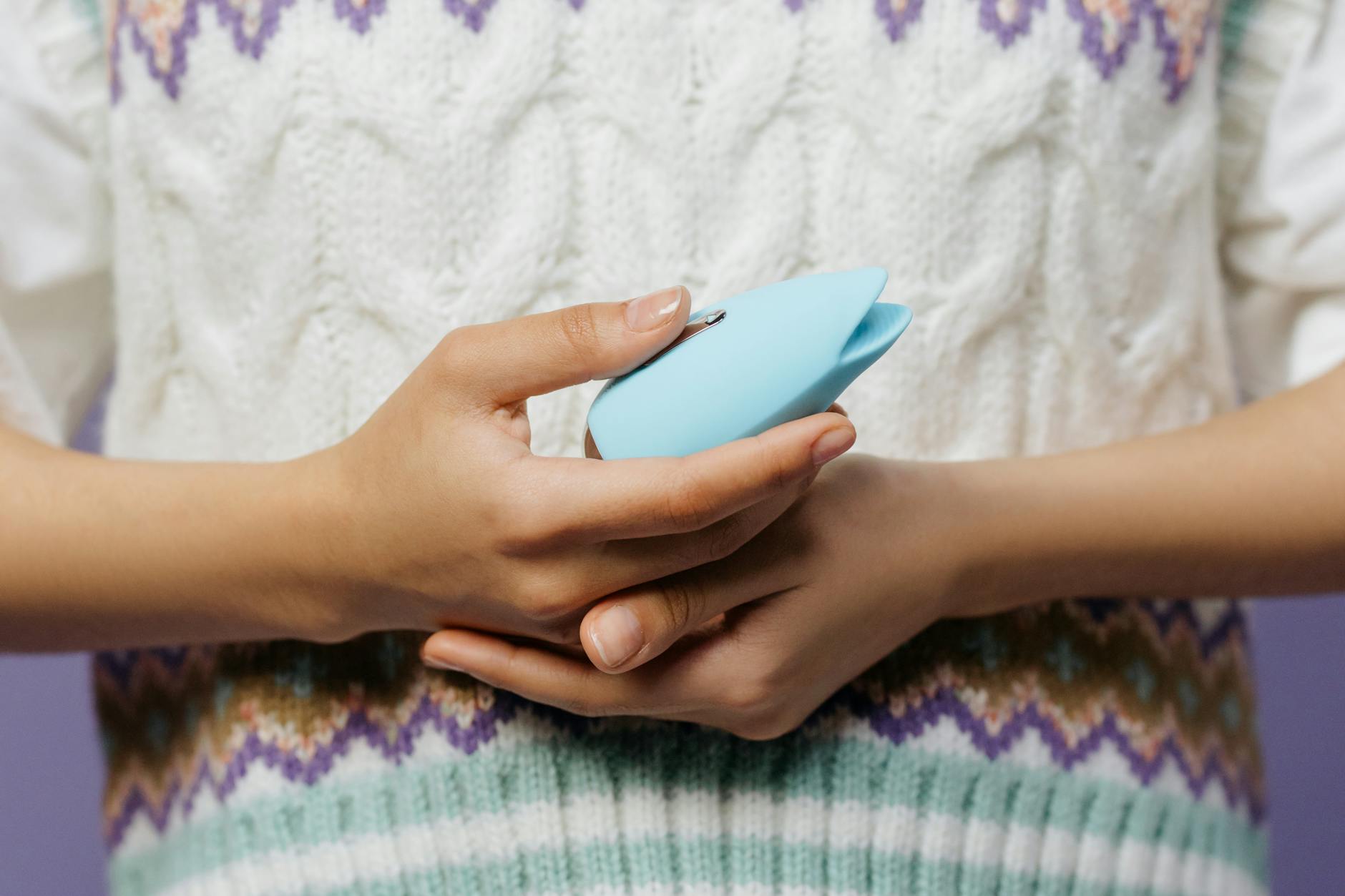
When you've stepped away, everything feels new again
There's a particular kind of nervous energy that shows up when you're thinking about pleasure again after years of not. Not just a long time. Years. The kind of pause that comes with relationship shifts, trauma history, or just the quiet decision that sex wasn't worth the emotional cost at that moment. When you're ready to explore again, the idea of jumping back to where you left off feels impossible. The body forgets. Or worse, it remembers too much.
Lemon vibrators, and specifically external clitoral stimulation, can feel like you're starting from zero because, in a real way, you are. And that's actually the gift.
Why external feels different than what you might expect
If you've been avoiding penetration or internal stimulation, your nervous system has had years to settle into a particular baseline. When that baseline is "we don't do this," touching that area again can trigger old resistance, trauma responses, or just a heavy dose of awkwardness. Your body doesn't know if this is safe yet.
Clitoral vibrators like the Lem work because they completely bypass that loaded history. The clitoris has eight thousand nerve endings concentrated in a space smaller than a pea. You're not dealing with memories of penetration. You're not navigating someone else's expectations. You're building sensation in the safest, most direct way possible.
Most importantly, you're in control. The Lem's suction and pulsing patterns move at your pace. You can start at intensity level one and stay there for weeks if that's what your body needs. There's no pressure to progress. There's no finish line.
The nervous system needs time to recalibrate
When you've stepped back from sex, your pelvic floor often tightens protectively. This isn't a sign of damage. It's your body doing exactly what it's supposed to do when the signal is "we're not engaging here." The muscles stay braced, ready for a threat that isn't actually coming.
Using a lemon clitoral vibrator actually helps teach your pelvic floor the difference between arousal and threat. As you experience gentle, consistent pleasure over weeks, the nervous system starts to recognize: "Oh, this is safe. This feels good. We can relax." That recalibration is profound, and it happens from the outside in.
Many people find that after months of consistent, gentle clitoral stimulation, the idea of internal sensation becomes less charged. It's not pressure. It's just what naturally happens when the door opens again on its own.
Starting with intensity one is not a compromise
Here's what I see happen: someone pulls out a lemon vibrator, cranks it to level five, and thinks "Well, that's too strong." Then they put it away, assuming they're not ready. Wrong read.
Intensity one on the Lem is designed to feel like a whisper. A suggestion of sensation. If you've been away from pleasure, this is where you belong. Spend two weeks there. Spend a month there. The goal isn't to get somewhere. The goal is to rebuild your relationship with sensation itself.
When your nervous system trusts that stimulation won't escalate without permission, something shifts. You start to notice smaller things. The difference between one pattern and another. What makes you feel alive versus what just feels mechanical. That granular awareness is something many people never develop, even after years of active sex lives.
You're not behind. You're actually starting from a place of intentionality.
Patience is the actual superpower here
When you've avoided pleasure for years, there's often shame underneath it. The quiet story that you should be "over it by now" or that you're broken or that normal people just bounce back. They don't. Normal people who go quiet about their sexuality for a few years take time to wake up again. That's not failure. That's being human.
Using a lemon vibrator on a regular schedule, even just two or three times a week for fifteen minutes, sends a message to your body: "This is a priority now. This matters. You matter." That consistency matters more than intensity. Your nervous system needs to believe the change is real, not a one-off experiment.
What you might feel at different points
Week one or two: numbness is normal. You might feel almost nothing. Your brain is still processing "are we really doing this?" Keep going.
Week three to six: sensation starts to return. You might notice sensation that feels like tingling, pressure, or warmth that wasn't there before. Celebrate it. Don't push for more.
Month two and beyond: pleasure starts to feel like something you can access, not something that's happening to you. The difference is critical. This is when you know the nervous system shift is working.
Some people experience emotion during this process. Old grief, anger, or tenderness might show up when sensation returns. That's not a sign to stop. That's your body releasing something it's been holding. Sit with it. Let it move through.
The connection to your partner (if there is one)
If you're rebuilding pleasure and you have a partner, this is where communication gets real. You're not avoiding sex with them because of them. You're building back your own capacity for sensation first. That's actually the most intimate gift you can give a relationship. You're saying, "I'm going to get to know myself again so I can actually show up with you."
Many partners feel relieved when they understand this. It's not rejection. It's reclamation. The lemon vibrator becomes something you explore alone first, on your timeline, with no audience. Then, if and when you want to, you decide what sharing looks like.
When to check in with a professional
If years of avoiding penetration came from trauma or pain, a trauma-informed therapist or pelvic floor physical therapist can be genuinely helpful alongside this kind of self-exploration. They can rule out anything physical that needs attention and help your nervous system understand the difference between protection and pleasure.
There's no shame in this. It's actually the most grounded thing you can do. You're not trying to white-knuckle your way back to normal. You're building something sustainable.
The real timeline
Some people feel significant shifts in three months. Some take a year. Both are normal. Your body isn't slow. It's being wise. Every week of consistent, gentle pleasure is rewiring neural pathways that have been dormant. That takes time, and the time is the work. There's no fast-tracking this without losing something important.
When you've stepped away from pleasure for years, a lemon clitoral vibrator isn't just a toy. It's a signal to yourself that you're worth the investment. That your sensation matters. That you get to rebuild this on your own terms, at your own pace, with exactly as much or as little intensity as you need.
That's not a compromise. That's everything.
People also ask
Is it normal to feel nothing when you first use a lemon vibrator after years away from sex?
Completely normal. Your nervous system has been in a particular state for a long time, and it takes time to wake up again. Numbness in the first few weeks doesn't mean the vibrator isn't working or that you're broken. It means you're still in the recalibration phase. Keep the schedule consistent. Sensation usually returns between week three and week six. If it doesn't after two months, check in with a pelvic floor specialist to rule out anything physical.
Can lemon vibrators help if penetration has been painful in the past?
Yes, though the mechanism is different. If penetration has been associated with pain, staying with external clitoral stimulation first helps your nervous system separate pleasure from pain. That separation is crucial before exploring internal sensation again. A lemon clitoral vibrator keeps stimulation in the safest zone. Once your body trusts that pleasure is actually possible without pain, you can decide if and when to explore further. Work with a pelvic floor physical therapist if pain has been severe.
How often should I use a lemon vibrator if I'm rebuilding after years away?
Consistency beats frequency. Two to three times a week for fifteen to twenty minutes is better than sporadic longer sessions. This schedule gives your nervous system a clear pattern to learn. It's not about chasing orgasm. It's about teaching your body that sensation is safe and regular. Some people find that daily use early on helps them reconnect faster, but listen to what feels sustainable. If it becomes a chore, dial back.
What if using a lemon vibrator brings up old emotions or memories?
That's actually a sign the process is working. Your body is releasing what it's been holding. Don't stop. Don't push harder either. Pause, breathe, maybe journal about what came up. Emotions during pleasure aren't a problem to fix. They're information. If they're overwhelming, a therapist who works with sexuality can help you move through it. Trauma lives in the body, and pleasure is sometimes what helps it move.
Should I use a lemon vibrator alone or with a partner when rebuilding?
Start alone. This is about your relationship with your own pleasure, not about performance or someone else's experience. Once you've spent a few months getting comfortable with solo sensation, you can decide if and when to explore with a partner. Many people find that this solo foundation actually makes partnered pleasure more authentic because you know what you actually like. You're not performing. You're sharing.
Can I move to internal stimulation after using a lemon vibrator for a while?
Maybe, and only if your body wants to. The whole point of starting with external clitoral stimulation is that it removes pressure to progress. After months of consistent pleasure, some people naturally feel curious about internal sensation. Some don't, and that's completely fine. Your nervous system will tell you when or if it's ready. Listen to it. The Lem isn't a stepping stone to something bigger. It's a complete experience on its own.